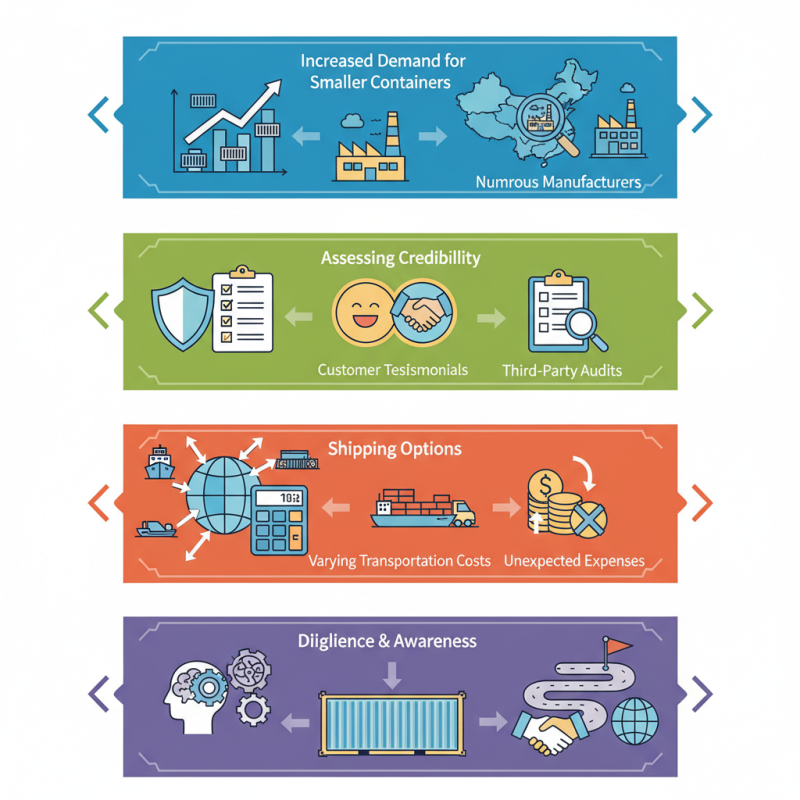
When sourcing a 10ft container in China, businesses must navigate a complex landscape. The demand for smaller containers is rising. However, finding reliable suppliers can be challenging. Many companies struggle with issues such as quality control and shipping logistics.
China is home to countless manufacturers. Some are well-established, while others are less experienced. Assessing their credibility is crucial. Look for suppliers with a good track record. Customer testimonials and third-party audits can offer insight into their reliability.
Additionally, consider the shipping options available. Transportation costs can vary significantly. A poor decision in this area can lead to unexpected expenses. It is essential to evaluate all options before making a commitment. Finding the right 10ft container supplier requires both diligence and awareness of potential pitfalls.
The demand for 10ft containers in China has seen a notable surge. Businesses aim to optimize logistics and shipping costs. These containers are compact yet highly versatile. They provide flexible storage solutions for various industries. Small businesses often prefer them for easier transport. Their size is ideal for urban deliveries.
Factors influencing this demand include the rise of e-commerce. As online retail grows, so does the need for efficient supply chains. 10ft containers cater to this emerging market in cities. Additionally, they appeal to startups that require cost-effective storage. However, sourcing quality containers can be challenging. It's essential to vet suppliers and ensure compliance with industry standards.
Not all manufacturers guarantee high durability. Some containers may suffer from wear and tear. Buyers should inspect options carefully. Researching supplier backgrounds and previous projects can provide insights. It's crucial to connect with local experts. Engaging with experienced professionals enhances the sourcing process. This approach minimizes risks and maximizes value for buyers.
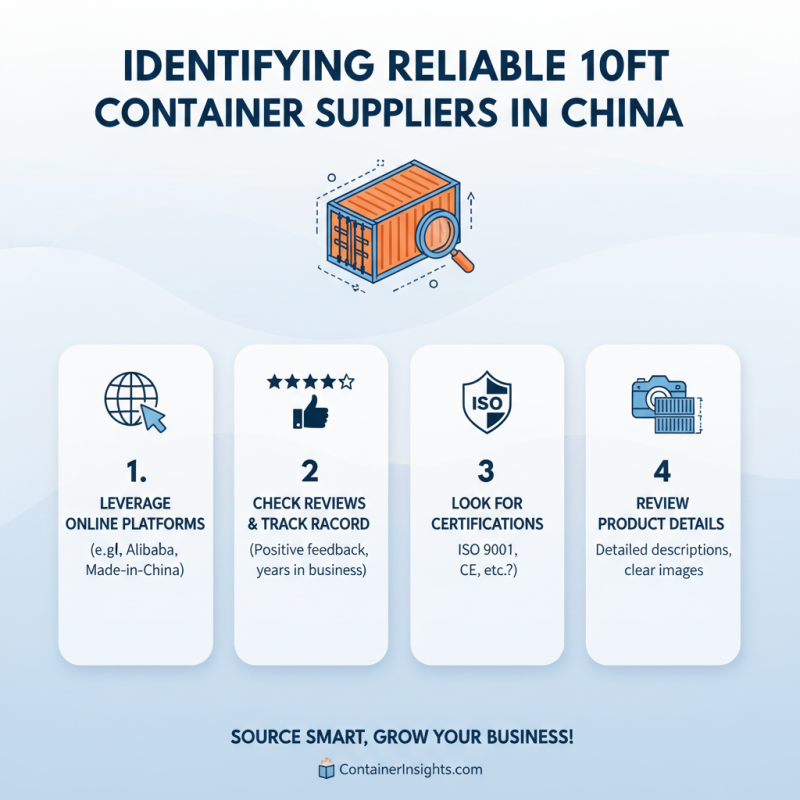
When sourcing 10ft containers in China, selecting reliable suppliers is crucial. Start by leveraging online platforms showcasing various manufacturers. Pay attention to companies with positive reviews and a solid track record. Look for those with certifications indicating quality control. Many suppliers also offer detailed descriptions and images of their containers.
In addition to online searches, networking can yield valuable insights. Attend industry trade shows or connect with local shipping agencies. These relationships often lead to trusted referrals. However, beware of too-good-to-be-true deals. Prices that seem excessively low can indicate hidden issues with quality.
Lastly, consider requesting samples or visiting the supplier’s factory. This step may require time and resources, but it builds trust. It’s essential to ensure the containers meet your specific standards. Each interaction can reveal more about the supplier’s reliability. Engaging with both local and international clients can also provide a broader perspective on their credibility.
When sourcing 10ft containers in China, evaluating quality standards is crucial. Many shipping container manufacturers claim to meet international standards. However, data from the International Organization for Standardization (ISO) highlights that only about 30% of manufacturers consistently comply with ISO 9001 quality management systems. This inconsistency can lead to significant issues in shipping and storage.
Inspecting the container's structure is essential. Look for rust, bulges, or incorrect dimensions. A poorly made container can compromise the safety of your cargo. It's important to request detailed specifications. These should include the container material, structural integrity, and any modifications.
Tip: Always ask for third-party inspection reports. This can ensure that the container meets industry standards.
Another consideration is the lifecycle of the container. A report by the World Shipping Council reveals that containers have an average lifespan of around 10-15 years. This factor influences both their resale value and potential repairs. Buying based on price alone can be a mistake. It’s vital to balance cost with what you get.
Tip: Compare multiple suppliers to gain insights into pricing trends and quality variances. This practice helps you make informed decisions. By focusing on quality standards, you can ensure that your 10ft containers meet your needs effectively.
Negotiating prices and terms with Chinese manufacturers requires careful planning. Reports indicate that up to 30% of sourcing negotiations fail due to misunderstandings. Establishing a clear line of communication is crucial. Be prepared to discuss not only the price but also payment terms and delivery schedules. Many suppliers operate on strict timelines, making it essential to agree upfront.
Understanding market dynamics can strengthen your position. For instance, a recent study found that shipping costs have risen significantly, impacting overall pricing. Knowing this can help you argue for better rates. Additionally, consider using local freight forwarders for insights into logistics. Their expertise can assist in negotiating more favorable terms.
Always maintain professionalism throughout the negotiation. Some manufacturers may not be flexible on initial offers. However, showing willingness to compromise can lead to better outcomes. Building a rapport can also be invaluable. Trust developed during negotiations can have long-term benefits, providing you with advantageous terms in future transactions. Keep these elements in mind when sourcing 10ft containers in China.
| Dimension | Average Price (USD) | Lead Time (Days) | Payment Terms | Quality Standards |
|---|---|---|---|---|
| 10ft Dry Container | $1,800 | 30 | 50% Upfront, 50% Before Shipping | ISO 9001 |
| 10ft Refrigerated Container | $3,200 | 45 | 30% Deposit, Balance After Inspection | FDA Approved |
| 10ft Open Top Container | $2,000 | 35 | Letter of Credit | CSC Certified |
| 10ft High Cube Container | $2,300 | 40 | 70% Payment Upon Order, Remaining on Delivery | High Strength Steel |
When importing 10ft containers from China, logistical considerations are crucial. According to the World Bank, logistics costs can account for up to 13-15% of a product's total price. Understanding these costs can lead to better decision-making. Proper planning can help to minimize delays and unexpected expenses.
Shipping routes play a significant role. Major ports like Shanghai and Shenzhen provide frequent services. However, congestion can cause delays. Data shows that delays have increased by over 20% in some ports due to higher traffic. Analyzing average shipping times and seasonal fluctuations is necessary. Limited container availability also affects logistics.
Customs clearance is another aspect to consider. Inaccurate paperwork can result in extra fees and storage costs. A report found that 30% of shipments face such issues. Engaging with a reputable customs broker can mitigate risks. This allows for smoother transactions and greater transparency in the process. Evaluating these factors will improve your container sourcing experience.
If for some reason you did not find the service or product you need, you can always leave a request for a free consultation and get an answer.