2026 Best Stainless Carriage Bolts for Global Buyers
Choosing the 2026 best Stainless Carriage Bolts requires more than comparing prices or polished product photos. Global buyers must examine grade, dimensions, thread accuracy, head design, and supplier documentation. A bolt that looks bright in a catalog may still fail in salt air, outdoor framing, or repeated assembly. Stainless steel resists corrosion, but it is not completely rust-proof.
John Bickford, a respected fastener engineer and author of Handbook of Bolts and Bolted Joints, emphasized a practical truth: “The fastener is only one part of the joint.” That idea matters when selecting Stainless Carriage Bolts. Joint materials, tightening methods, washer choice, and environmental exposure all influence performance. A 304 stainless bolt may suit indoor equipment and general construction. A 316 grade often offers better resistance near coastlines and chemical environments. However, grade labels should be verified through mill certificates and reliable test reports.
This guide compares leading options for international procurement. It considers ASME B18.5 dimensions, ASTM F593 and F594 compatibility, thread quality, square-neck engagement, and packaging protection. Details matter. A clean square neck should seat firmly in timber or a metal channel. Threads should remain undamaged after transport. Boxes should prevent moisture, mixing, and surface abrasion.
There is no perfect bolt.
Supplier claims can be incomplete. Standards can be misunderstood. Even experienced buyers sometimes overlook galvanic contact between stainless steel and dissimilar metals. The recommendations ahead are practical, but they still require project-specific review. Careful inspection remains essential before large-volume purchasing.
What Stainless Carriage Bolts Are and How They Work
2026 Best Stainless Carriage Bolts for Global Buyers
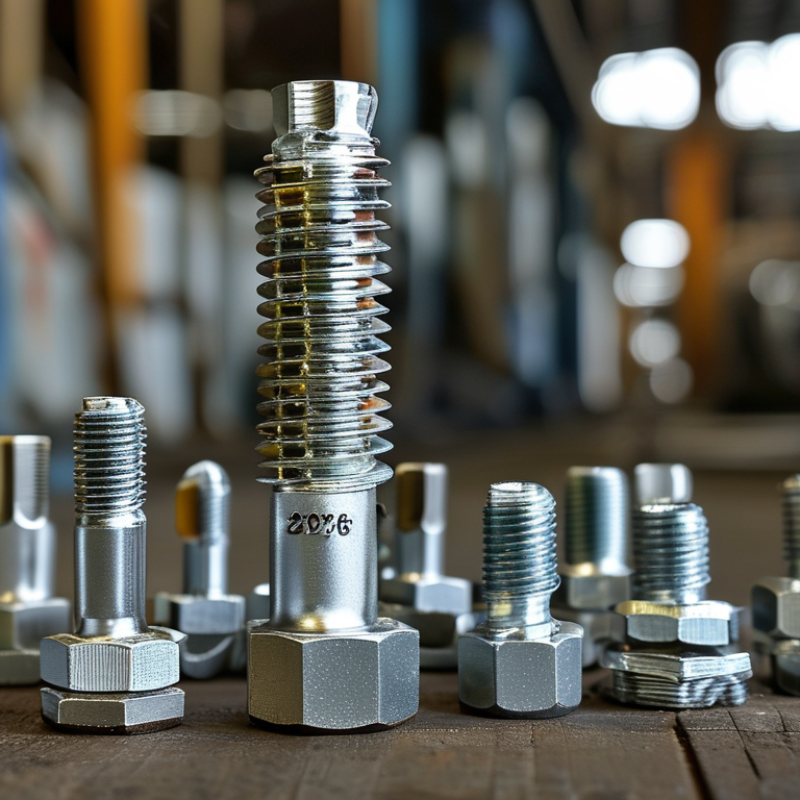
Stainless carriage bolts have a rounded head, square neck, and threaded shank. The square neck fits into a matching hole. It stops the bolt from turning while the nut is tightened. This simple design reduces the need for a second wrench. It works well in timber, sheet metal, outdoor frames, and equipment guards. The domed head also leaves fewer sharp edges exposed. A practical detail matters here: the hole must match the neck size. If it is oversized, the bolt may spin.
Material choice affects service life. Grade 304 suits many indoor and moderately outdoor applications. Grade 316 offers stronger resistance in coastal or chloride-rich environments. However, stainless steel is not corrosion-proof. The 2024 World Stainless report recorded global stainless crude steel production at about 62.6 million tonnes. This growing supply supports wider use, but quality still varies between producers. ASTM F593 provides requirements for corrosion-resistant stainless steel bolts, screws, and studs. Buyers should verify the grade, thread form, dimensions, and test documents.
Tips: Keep threads clean and tighten gradually. Stainless threads can gall under high friction. A suitable lubricant may help, but it can change torque results. Do not rely on appearance alone. The NACE IMPACT study estimated global corrosion costs near 3.4% of world gross domestic product. That figure is older, yet the risk remains real. I have seen installations fail because water stayed beneath the rounded head. Better drainage, correct washers, and a careful fit often matter more than a shiny finish.
Key Materials, Grades, and Corrosion-Resistance Features
2026 Best Stainless Carriage Bolts for Global Buyers
Key Materials, Grades, and Corrosion-Resistance Features
Stainless carriage bolts are not interchangeable. Their alloy, strength class, and surface condition determine service life. The NACE IMPACT study estimated global corrosion costs at 3.4% of worldwide GDP in 2013. That figure explains why material selection deserves more attention than price alone.
A2 stainless, commonly aligned with 304, suits indoor equipment, light construction, and ordinary outdoor exposure. A4 stainless, commonly associated with 316, contains molybdenum and resists chloride attack more effectively. Salt changes everything. Coastal decks, marine fittings, and roads exposed to deicing salts usually justify A4 selection. ISO 3506-1 identifies stainless fastener property classes, including 50, 70, and 80. Higher strength can help, but it does not automatically improve corrosion resistance.
Look for cold-headed parts with clean threads, consistent head geometry, and no embedded carbon-steel contamination. ISO 9223 classifies atmospheric corrosion environments, yet actual sites can be harsher than paperwork suggests. Small details matter. A wet joint, trapped dirt, or damaged passivation layer may create staining and crevice corrosion. ASTM F593 testing can support grade verification, but certificates should match the delivered lot. Duplex stainless may offer stronger performance in severe conditions, although it can increase cost and complicate sourcing. In practice, choosing only by “316” is incomplete. Bolt diameter, washer compatibility, installation torque, and galvanic contact also deserve review. Some purchasing teams still overlook these points.
How to Compare Strength, Dimensions, Threads, and Head Designs
Selecting stainless carriage bolts requires more than choosing a bright, corrosion-resistant finish. In field inspections, I measure diameter, length, thread pitch, and neck size separately. ASME B18.5 defines dimensional requirements for carriage bolts, including head diameter and square-neck proportions. A bolt marked 1/4-20 has a 1/4-inch diameter and 20 threads per inch. Metric buyers should verify pitch in millimeters, not estimate it visually. Small errors matter. A short thread can leave insufficient nut engagement.
Strength depends on grade and manufacturing condition. ISO 3506-1:2020 specifies minimum tensile strengths of 700 MPa for A2-70 and 800 MPa for A4-80 fasteners. ASTM F593 also separates stainless fasteners by alloy, condition, and strength class. These figures describe tensile performance, not guaranteed load capacity in every joint. Clamp load, hole clearance, vibration, and corrosion exposure still change results. I have seen oversized holes reduce the square neck’s grip, even when the bolt grade looked correct.
Head design affects installation and load distribution. A low-dome head suits visible panels, while a larger head can spread pressure across softer material. The square neck should seat fully, without spinning during tightening. That sounds obvious. It is often missed. Compare head height, bearing diameter, neck depth, and wrench access against the actual assembly drawing. ASME B1.1 thread specifications can help confirm unified thread profiles, but supplier certificates should verify chemistry, dimensions, and mechanical tests before large-volume purchasing.
Choosing the Right Carriage Bolts for Global Applications
Choosing the Right Carriage Bolts for Global Applications
Selecting stainless carriage bolts requires more than choosing a bright, corrosion-resistant finish. In coastal equipment, 316 stainless steel often offers better resistance to salt exposure than 304. In dry indoor assemblies, 304 may provide sufficient performance and lower cost. The environment decides more than appearance.
Measure the bolt diameter, length, thread pitch, and square-neck size before ordering. A smooth dome head can reduce snagging on timber, panels, and outdoor furniture. The square neck must fit the receiving material without spinning during tightening. I have seen installation delays caused by a neck that was only slightly too large.
Check the required thread standard for each destination market. Metric and inch-based threads are not interchangeable. Confirm tensile data, dimensional tolerances, and material certificates with the supplier. Lot traceability also helps when projects involve many shipment batches. Packaging deserves attention. Dividers can protect threads from impact and reduce surface scratches during ocean transport.
Stainless steel is not maintenance-free.
Contact with carbon-steel dust can create misleading rust marks on the surface. Keep tools clean, and avoid harsh chemicals that may damage surrounding materials. My own preference is to test a small batch first, especially when bolts will meet aluminum or treated wood. Galvanic reactions, hidden moisture, and poor drainage can still cause trouble. A specification can look correct on paper and fail in the field. That possibility deserves honest review.
International Standards, Sourcing Factors, and Quality Checks
2026 Best Stainless Carriage Bolts for Global Buyers
International Standards, Sourcing Factors, and Quality Checks
Global buyers should specify standards before comparing prices. ISO 3506-1 defines mechanical properties for corrosion-resistant stainless steel fasteners. ASME B18.5 covers carriage bolt dimensions, including head shape and square-neck requirements. DIN 603 is widely referenced, but it should not replace the buyer’s contractual standard. Small differences can cause assembly failures.
Material selection needs evidence. AISI 304 suits general indoor and mild outdoor service. AISI 316 offers stronger resistance in marine or chloride-rich environments. World Stainless reported approximately 58.4 million tonnes of stainless crude steel production in 2023. This scale supports broad availability, but it also creates uneven quality between mills and distributors. Request heat numbers, chemical analysis, and EN 10204 3.1 inspection certificates. Verify them against the supplied lot.
Quality checks should include thread gauges, shank diameter, head dimensions, and square-neck fit. Use positive material identification when the application is critical. Check torque-tension behavior, because stainless threads may gall during installation. Salt-spray results can help compare finishes, but they do not predict every service environment. I have seen apparently polished bolts fail early near coastal sites. The surface looked excellent. The specification was not. Sample testing, packaging inspection, and traceable batch records reduce that risk, although no checklist catches everything.
How to use this chart: A2 and A4 are commonly specified austenitic stainless grades, while 50, 70, and 80 indicate minimum tensile-strength classes in ISO 3506-1. A2 is generally selected for general corrosion resistance; A4 is preferred for more demanding marine or chloride-containing environments.
Buyer quality checks: Confirm the required dimensional standard, such as DIN 603, ISO 8677, or ASME B18.5, and verify thread size, head and square-neck dimensions, material designation, property class, surface condition, certificates, and traceability before shipment.
Reference: Mechanical-property values shown are minimum tensile-strength requirements associated with ISO 3506-1 property classes. Actual carriage-bolt performance also depends on dimensions, thread engagement, installation torque, and manufacturing quality.
