5 Best Concrete Intensive Mixers for Sale Worldwide?
Choosing among the 5 Best Concrete Intensive Mixers for Sale Worldwide requires more than comparing prices or motor ratings. A reliable Concrete Intensive Mixer must deliver consistent dispersion, controlled moisture distribution, and dependable output under demanding production conditions. It should handle cement, aggregates, pigments, fibers, and dry additives without creating hidden dead zones. Those details matter on a busy plant floor.
Dr. Frank Eirich, a recognized specialist in intensive mixing technology, has stated, “Efficient mixing depends on applying energy where the material needs it most.” This principle guides our evaluation. We examine mixing intensity, rotor design, liner durability, discharge speed, maintenance access, and compatibility with different concrete recipes. We also consider real operating conditions, including dust, temperature changes, abrasive aggregates, and uneven material loading. Small design choices can create major savings over time.
No ranking is perfect. A mixer that performs exceptionally in precast production may not suit a mobile batching plant. Some manufacturers publish impressive laboratory figures, yet field performance can vary. That deserves honest attention. The best choice depends on production volume, material characteristics, service support, and available technical expertise. This guide compares five internationally available models through those practical lenses. It aims to help buyers identify dependable equipment, not simply attractive specifications. Careful testing remains essential before any final purchase.
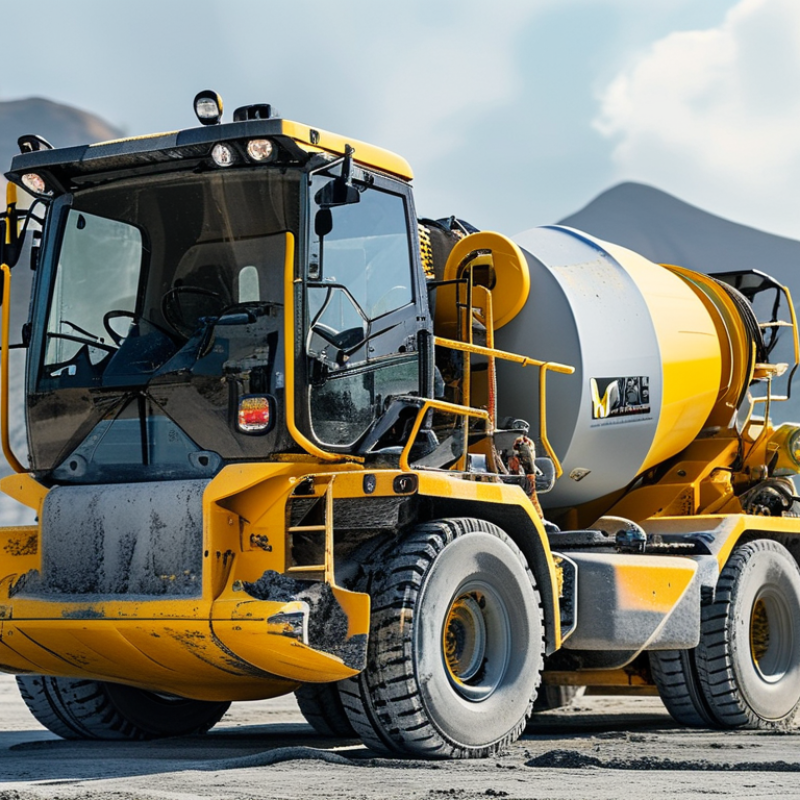
Concrete Intensive Mixers Explained: 0.1–5 m³ Batches and 15–90 s Cycles
Choosing among the five best concrete intensive mixers for sale worldwide starts with batch size, not advertising. These machines commonly handle 0.1 to 5 m³ per batch, depending on vessel geometry, motor power, and material density. A 0.1 m³ mixer suits laboratory trials, repair work, and small precast pieces. A 5 m³ model serves larger production lines, but it needs stronger foundations and controlled feeding. Check usable volume carefully. Rated volume can mislead.
Cycle time often ranges from 15 to 90 seconds after ingredients enter the mixing chamber. A 15-second cycle may work with consistent aggregates, accurate dosing, and stable moisture. Dense mixes, fibers, pigments, or recycled aggregates usually require more time. Include charging and discharge when comparing output. Otherwise, hourly capacity looks better on paper than on the factory floor. I would test slump, color uniformity, and fiber distribution at several speeds. Small variations matter.
For reliable selection, request trial data using your cement, aggregate grading, admixture, and target moisture. Inspect wear liners, shaft seals, access doors, and emergency stops before purchase. These details often affect downtime more than brochure claims. Automatic controls improve repeatability, yet operators still need training. I have seen short cycles fail when loading was uneven. That result is useful, not embarrassing. Record energy use, cleaning time, and rejected batches during a full shift. Also compare spare-part access, installation support, and safe maintenance procedures.
Key Selection Metrics: 20–40 kW/m³ Power Density and Mixing Uniformity
5 Best Concrete Intensive Mixers for Sale Worldwide?
Choosing an intensive concrete mixer starts with usable power, not motor size alone. A practical benchmark is 20–40 kW/m³ of working volume. This range supports fast dispersion of cement, moisture, fibers, and fine aggregates. However, higher power does not guarantee better concrete. Rotor geometry, liner condition, and batch loading also control performance.
Check the mixer’s real working volume. A 1 m³ chamber with a 30 kW drive provides 30 kW/m³. That figure changes when operators underfill or overload the vessel. During trials, inspect the mix after 30, 45, and 60 seconds. Look for dry pockets near the walls, unmixed corners, and paste build-up on the floor. Small details matter.
Mixing uniformity should be measured, not guessed. Collect samples from different points and compare moisture, cement content, and aggregate distribution. Many projects aim for a low variation between samples, but the acceptable limit depends on the concrete specification. Ask for test records using your actual recipe. Laboratory data can mislead when aggregate shape, recycled content, or fiber length changes. I have seen a powerful mixer perform poorly after a worn paddle reduced circulation. That is an uncomfortable reminder: maintenance can matter more than headline power. Keep access panels practical, and verify that replacement parts are available in your region.
5 Best Concrete Intensive Mixers for Sale Worldwide? – Key Selection Metrics: 20–40 kW/m³ Power Density and Mixing Uniformity
Note: The figures are representative engineering ranges for commercially available concrete intensive mixer configurations. Power density is calculated as installed motor power divided by nominal mixer volume. Mixing uniformity is expressed as a typical coefficient-of-variation target and depends on recipe, moisture control, loading sequence, aggregate grading, mixer wear, and operating conditions.
Five Global Mixer Models Compared by Capacity, Output, and Technology
The five concrete intensive mixer models below are compared by capacity, hourly output, and mixing technology. Their practical value changes with aggregate size, moisture, and loading discipline.
A compact planetary mixer usually holds 0.5 cubic metres and produces 15–25 cubic metres hourly. Its vertical mixing action suits precast panels and small batching plants. A twin-shaft mixer with 1.0 cubic metre capacity can reach 50–70 cubic metres hourly. Counter-rotating shafts distribute cement paste quickly, even with stiff mixtures. Power matters. A 1.5 cubic metre pan mixer may deliver 60–90 cubic metres hourly. Its shallow vessel allows close visual inspection, but worn scrapers can reduce consistency.
For larger sites, a 2.0 cubic metre twin-shaft model commonly reaches 100–130 cubic metres hourly. Wear-resistant paddles and automated moisture correction improve repeatability. A 3.0 cubic metre planetary mixer may produce 120–160 cubic metres hourly. It offers strong dispersion for fibre-reinforced concrete and complex admixture blends. However, the largest chamber is not automatically the best choice. Feeding delays, electrical limits, and cleaning time can lower real output. The neat ranking is not perfect. Field trials should measure discharge time, batch uniformity, and energy use under local conditions. Controls also need regional voltage compatibility and documented safety certification.
Worldwide Buying Criteria: Wear Life, Standards, Service, and Total Cost
5 Best Concrete Intensive Mixers for Sale Worldwide?
Worldwide Buying Criteria: Wear Life, Standards, Service, and Total Cost
Choosing the five best intensive mixers depends on your material, output, and maintenance conditions. Twin-shaft, planetary, pan, turbo, and continuous mixers can all perform well in different plants. Wear life deserves close inspection. Ask for liner thickness, blade material, hardness data, and proven service intervals. A mixer that lasts longer may reduce shutdowns, even if its purchase price is higher. In practical plant evaluations, small design details often matter. A poorly sealed bearing can become an expensive problem.
Standards must match the destination country and the installation site. Check guarding, emergency stops, electrical requirements, noise limits, and conformity documents before ordering. Reliable suppliers should provide drawings, manuals, spare-parts lists, and clear commissioning support. Local technicians matter too. Waiting weeks for a seal or mixing tool can stop production. This is often overlooked.
Tips: Compare total cost, not only the quotation. Include power use, wear parts, freight, installation, training, and planned downtime. Request references from similar climates and concrete types. Inspect a working machine if possible. Ask how quickly common parts can arrive. Be careful with optimistic service-life claims; actual life changes with aggregate hardness, moisture, cleaning habits, and operator discipline. Some buyers focus too heavily on capacity. That can be a mistake. A slightly smaller mixer with dependable support may deliver better value worldwide.
5 Best Concrete Intensive Mixers for Sale Worldwide?
Worldwide buying decisions commonly balance wear life, compliance with recognized standards, after-sales service, and total cost. The chart below presents an illustrative buyer-priority framework rather than manufacturer-specific data.
How to read the chart: Wear life receives the highest weighting because abrasive aggregates and frequent production cycles can increase maintenance needs. Standards, service support, and total cost should be assessed together with local regulations, spare-parts availability, installation requirements, energy use, and expected operating hours.
