
Choosing the right Industrial Oil Boiler requires more than comparing purchase prices. It demands careful attention to heat demand, fuel quality, operating conditions, and long-term maintenance. The choice matters.
An experienced engineer will begin with the building’s actual load profile, not an attractive catalogue rating. A boiler sized for peak demand may waste fuel during quieter periods. An undersized unit can struggle on cold mornings and shorten component life. Review thermal efficiency, burner control, heat-transfer design, insulation, and emissions performance. Ask suppliers for verified test data, clear warranty terms, and documented service support. Reliable manufacturers should explain inspection intervals and replacement-part availability without vague promises.
Fuel storage also deserves practical attention. Check tank capacity, filtration, pump requirements, and protection against water contamination. A small amount of sediment can affect burner stability and increase service calls. Local safety, environmental, and installation requirements must guide every decision. Qualified professionals should confirm ventilation, pressure protection, flue design, and emergency shutdown arrangements. Never rely on a spreadsheet alone. It can miss seasonal demand, operator habits, and difficult access around the boiler room.
A sensible comparison should include total ownership cost, not only efficiency percentages. Calculate fuel use, servicing, downtime risk, installation work, and expected operating life. Independent technical advice can reveal weaknesses that sales literature overlooks. Still, no recommendation is perfect. Site conditions change, and assumptions should be checked before approval. The best Industrial Oil Boiler is the one that matches verified demand, supports safe operation, and remains practical for the people maintaining it.
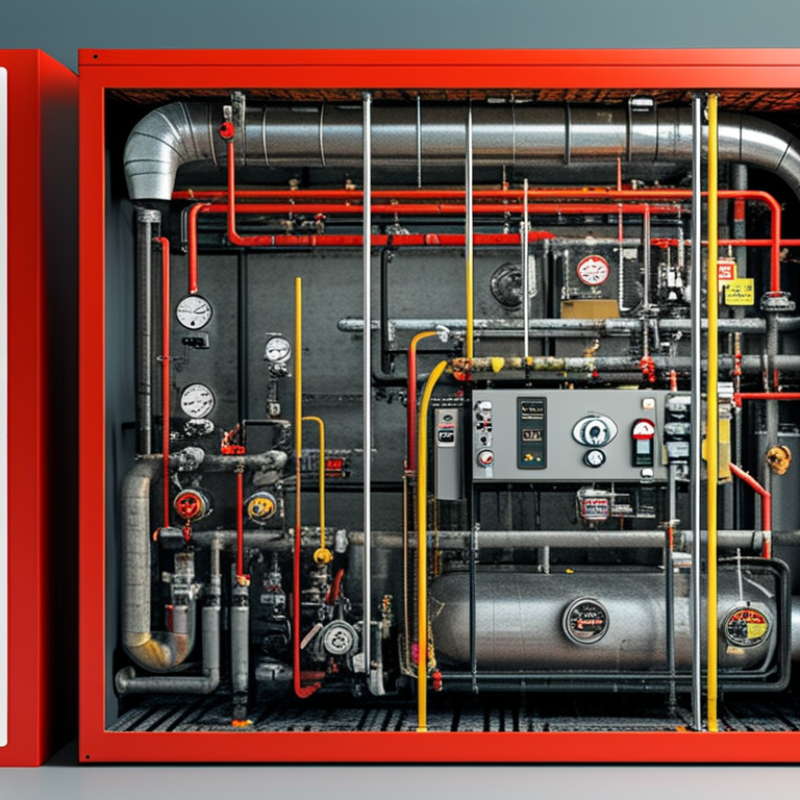
When selecting an industrial oil boiler, define steam capacity from actual peak demand, not average daily consumption. ASME PTC 4 provides a disciplined framework for verifying boiler performance through measured energy input, steam output, and heat losses. Begin with a demand profile covering production shifts, equipment startup, cleaning cycles, and seasonal changes. Record steam pressure, temperature, feedwater conditions, and blowdown rates. This reveals when demand rises sharply. The first estimate is rarely perfect.
A practical calculation converts peak steam flow into required boiler output at the specified pressure and temperature. Include feedwater heating, distribution losses, startup demand, and reasonable operating reserve. Then compare the design figure with a performance test based on ASME PTC 4 procedures. Test results should identify fuel flow, combustion conditions, flue-gas losses, and useful steam generation. Do not rely only on nameplate capacity. A boiler may reach its rated output under ideal conditions but struggle during cold mornings or unstable load changes.
Selection should also examine burner turndown, control response, maintenance access, and oil quality consistency. These details affect real capacity. Leave enough margin for measured uncertainty, but avoid excessive oversizing, which can cause cycling and inefficient combustion. In one field review, a demand spreadsheet ignored simultaneous startup loads. The correction changed the required capacity noticeably. A qualified engineer should verify assumptions against operating records, PTC 4 test data, and applicable safety requirements before purchase.
Fuel cost and thermal efficiency should be evaluated together. A low purchase price can hide higher operating expenses. The U.S. Energy Information Administration reports that distillate fuel prices vary widely by region, season, and delivery volume. Therefore, calculate local cost per million Btu, not price per gallon alone.
An 80% efficient boiler needs 1.25 million Btu of fuel to deliver one million Btu of useful heat. An 85% unit needs about 1.18 million Btu. That difference appears small. Over thousands of operating hours, it becomes expensive.
U.S. Department of Energy boiler guidance identifies 80% or higher as a practical performance benchmark for many systems, although actual results depend on load and maintenance. Check the DOE Boiler System Assessment Tool before approving final specifications.
Look beyond the nameplate rating. Ask for tested efficiency at 25%, 50%, and full load. Real factories rarely operate at one steady rate.
A clean heat-transfer surface, stable burner adjustment, and properly tuned excess air can protect efficiency. The U.S. DOE notes that combustion testing helps identify avoidable stack losses. Measure flue-gas temperature, oxygen, and smoke regularly.
Do not trust one factory test completely. Site conditions can change everything. A poorly insulated oil line or oversized boiler may erase expected savings, even when the brochure shows 85% efficiency.
Start by confirming whether the boiler falls under EPA NSPS Subpart Db. This rule generally covers larger fossil-fuel-fired steam generating units, often above 100 MMBtu per hour. Applicability depends on construction, modification, reconstruction, fuel type, and operating conditions. Do not assume every oil boiler follows the same limit.
Check the permitted limits for nitrogen oxides, sulfur dioxide, and particulate matter. NOx performance may depend on burner design, combustion control, and fuel composition. SOx emissions usually increase with sulfur content in the oil. Particulate limits can involve filterable emissions, stack testing, and control equipment performance. Review the exact permit language. State requirements may be stricter than federal standards.
Ask the supplier for measured emissions data from a comparable boiler. Request test methods, fuel specifications, operating load, and maintenance history. A low-emission claim without test conditions is weak evidence. Look for reliable monitoring systems, accessible sampling ports, and clear recordkeeping procedures. Also examine startup and shutdown requirements, because short operating periods can complicate compliance. Details matter.
A spreadsheet can look precise while hiding poor assumptions. I have seen fuel changes disrupt expected SOx results. Design for real operating conditions, not showroom numbers. Keep a compliance margin. It protects production when burners age, fuel quality shifts, or testing exposes an uncomfortable gap.
Choosing the best industrial oil boiler starts with its pressure boundary, not its advertised output. ASME BPVC Section I establishes construction requirements for power boilers, including design pressure, materials, welding, inspection, and overpressure protection. Ask for the boiler’s maximum allowable working pressure, design temperature, certified drawings, and applicable data reports. A missing document is a warning sign.
Safety controls deserve equal attention. The system should include correctly sized safety valves, independent low-water protection, flame-failure detection, fuel shutoff valves, pressure indicators, and controlled startup sequences. Controls must respond to real failure conditions, not only normal operation. A pressure gauge alone is not a safety strategy. The National Board’s boiler incident resources repeatedly identify poor maintenance, low-water events, and control failures as practical risk factors.
Fuel efficiency also matters, but pressure safety comes first. The U.S. Department of Energy’s Industrial Decarbonization Roadmap reports that process heating represents about 51% of industrial energy use. Small combustion losses can become expensive across continuous operation. Request verified efficiency data at the intended load, oil temperature, stack conditions, and operating pressure. Laboratory figures may not reflect a dusty plant room.
Review inspection access, relief-valve discharge routing, burner interlocks, and emergency isolation points with a qualified engineer. Ask who will test each control after installation. This is often overlooked. A neat specification can still miss site conditions, especially fluctuating feedwater quality or frequent load changes. Choose equipment supported by traceable documentation, competent inspection, and a maintenance plan that workers can actually follow.
An ABMA-informed life-cycle analysis should model ten to twenty years of fuel, service, water, downtime, and replacement costs. Start with measured load data, not the nameplate rating. DOE guidance warns that oversized boilers cycle frequently and waste energy. That waste appears quietly on monthly invoices.
Fuel deserves the hardest scrutiny. U.S. Energy Information Administration reports show petroleum prices can shift materially across seasons and years. Use local historical prices, then test low, expected, and high scenarios.
For every efficiency assumption, record stack temperature, burner condition, and annual operating hours. Small errors compound.
EPA’s 2024 greenhouse-gas emission factors assign about 10.21 kilograms of carbon dioxide to one gallon of distillate fuel oil. At 1,000,000 gallons annually, a one-percentage-point efficiency improvement could avoid roughly 10,000 gallons, if demand stays constant. That is a useful estimate, not a promise.
Include nozzle replacement, water treatment, inspections, emergency labor, and lost production. ABMA guidance supports evaluating performance across the service life, rather than judging efficiency at one test point.
Still, a spreadsheet can lie. Production changes, corrosion, and weak maintenance records can overturn a neat forecast. Ask for documented test conditions, warranty assumptions, and service intervals. Then challenge every optimistic input.
If for some reason you did not find the service or product you need, you can always leave a request for a free consultation and get an answer.