Understanding the Economic Impact of Global Trade Through Cargo Containers in 2023
In 2023, the global trade landscape continues to evolve, profoundly influenced by the ever-expanding role of cargo containers. As per the World Trade Organization, the volume of global merchandise trade is projected to rise by 4.1% this year, underscoring the critical importance of efficient shipping and logistics in facilitating international commerce. Cargo containers, which revolutionized shipping logistics since their introduction, are responsible for transporting over 80% of the world's goods by volume, as highlighted in the latest report by the International Maritime Organization.
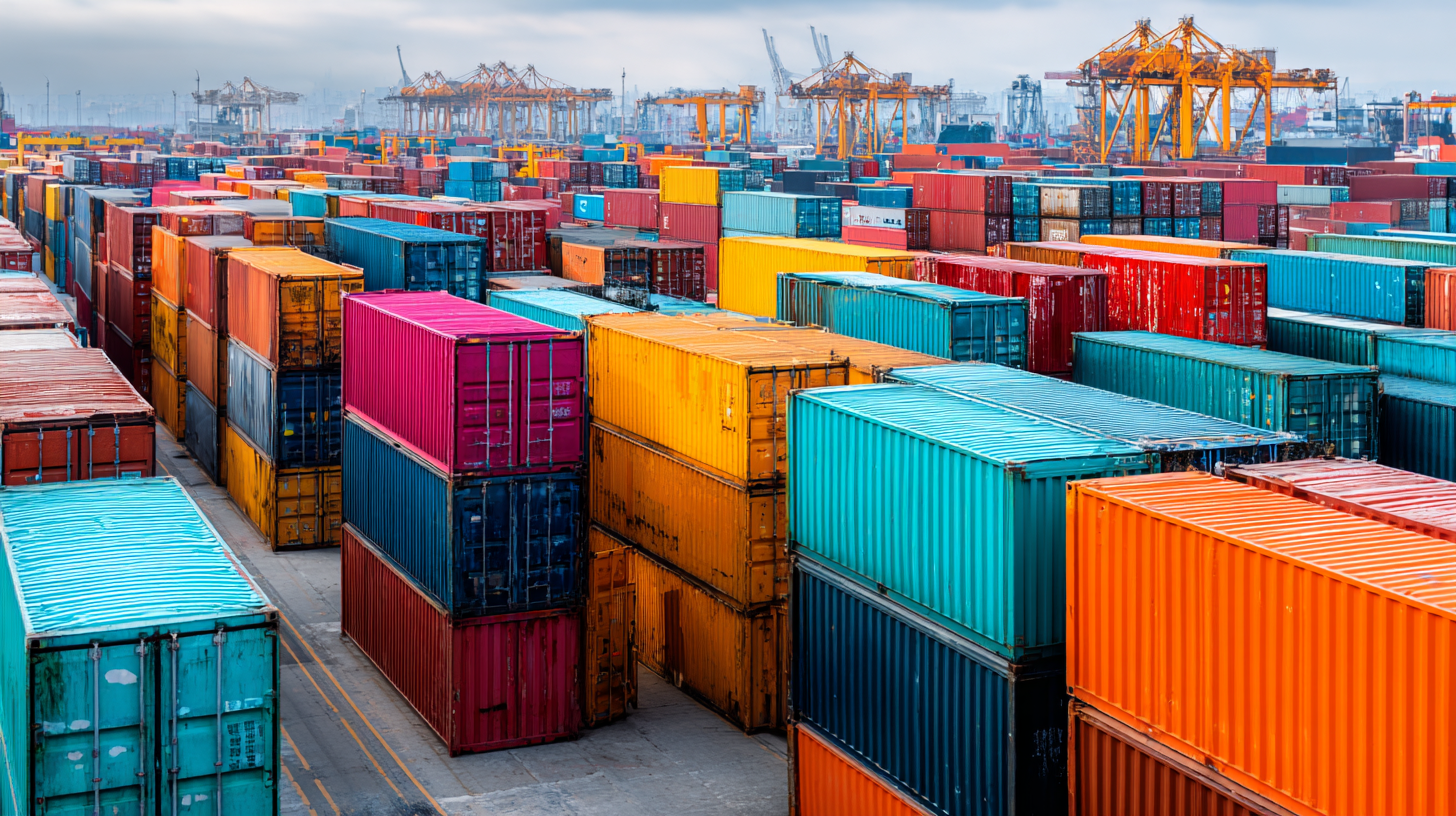
The economic impact of cargo containers is multifaceted, affecting various sectors and contributing significantly to GDP growth in many countries. The United Nations Conference on Trade and Development estimates that streamlined container shipping has reduced transportation costs by up to 90% compared to traditional shipping methods, which in turn enhances trade competitiveness and opens new markets for businesses. As we explore the top five aspects of this economic impact, it becomes evident that the role of cargo containers is not merely logistical; it is a linchpin in the global economy that connects producers and consumers across vast distances, making them an indispensable part of modern trade infrastructure.
The Role of Cargo Containers in Facilitating International Trade in 2023
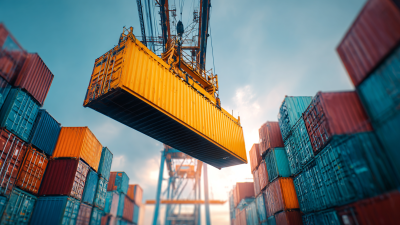
In 2023, cargo containers play an indispensable role in facilitating international trade, acting as the backbone of the global supply chain. These metal boxes transport everything from raw materials to finished goods across vast distances, enabling countries to engage in economic activities that were once unimaginable. The efficiency and standardization of cargo containers not only reduce shipping times but also lower transportation costs, making it easier for businesses to compete in the global market.
**Tip:** When engaging in international trade, consider utilizing a reliable logistics provider that specializes in cargo handling. This can streamline your shipping process and help you navigate customs regulations more effectively.
Cargo containers also contribute to sustainability efforts in global trade. By allowing for intermodal transportation, which integrates different forms of transport such as ships, trucks, and trains, containers can enhance logistical efficiency and reduce carbon emissions. As businesses increasingly prioritize sustainable practices, the demand for eco-friendly transport solutions continues to rise.
**Tip:** Explore innovative materials and designs for cargo containers that promote sustainability, such as those that are lightweight or made from recycled materials. This can not only reduce your carbon footprint but also result in cost savings.
Analyzing the Economic Contribution of Container Shipping to GDP Growth Worldwide
In 2023, the economic contribution of container shipping to global GDP growth plays a pivotal role in international trade dynamics. The expanding scale of the cold chain packaging market illustrates this impact, with projections indicating an increase from $28.14 billion in 2024 to $64.49 billion by 2032. This represents a compound annual growth rate (CAGR) of 11.09%. The growth in cold chain logistics not only facilitates the transportation of perishable goods but also stimulates various sectors of the economy, contributing significantly to GDP.
Additionally, investment in cargo container X-ray inspection systems reflects the growing emphasis on security and efficiency within the shipping industry. The market for these systems is expected to rise from $1.87 billion in 2025 to $2.98 billion by 2032, with an annual growth rate of 6.9%. This growth highlights the importance of technological advancements in enhancing global trade operations.
**Tips:**
1. For businesses looking to leverage growth opportunities in container shipping, investing in advanced logistics and technology can lead to enhanced operational efficiency.
2. Staying informed about market trends in cold chain logistics can help companies optimize their supply chains and meet the rising consumer demand for perishable goods.
Impact of Global Supply Chain Disruptions on Cargo Container Shipping Rates in 2023
The year 2023 has witnessed significant disruptions in the global supply chain, profoundly impacting cargo container shipping rates. According to the Freightos Baltic Index, shipping rates for 40-foot containers have soared by 30% compared to the previous year, driven largely by port congestion and labor shortages. As retailers and manufacturers scramble to restock inventory amid fluctuating demand, the competition for available slots on vessels has intensified, further exacerbating the rise in shipping costs.
Moreover, the ongoing geopolitical tensions and environmental regulations have added layers of complexity to global trade. A recent report by the World Trade Organization (WTO) indicated that these factors have led to delays in shipping schedules, which in turn resulted in an average delay of 4-5 days at major ports worldwide. This unpredictability not only increases shipping costs but also impacts the overall economy, as businesses face the challenge of delayed product availability, which can lead to lost sales and diminished consumer confidence. The interplay of these elements highlights the fragility of global supply chains and the critical importance of adaptability in the face of ever-evolving trade dynamics.
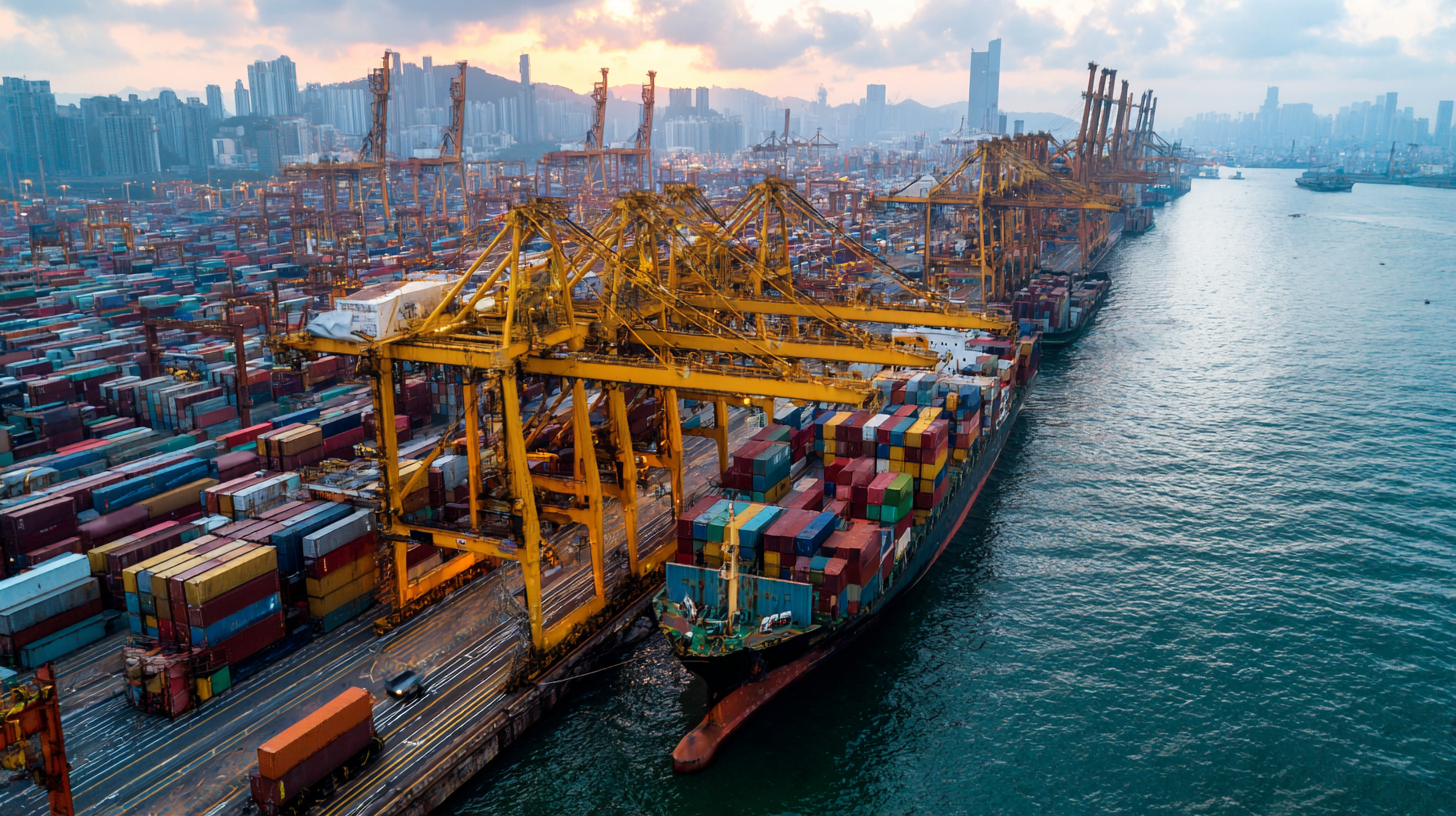
Technological Innovations in Cargo Containers and Their Influence on Trade Efficiency
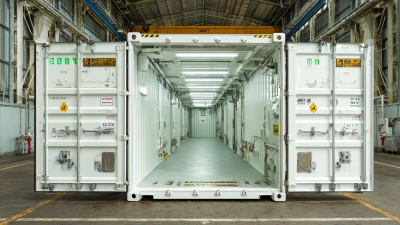
The technological innovations in cargo containers are reshaping the landscape of global trade, significantly enhancing trade efficiency. Specialized containers designed for specific cargo types, such as those featuring stainless steel components, are revolutionizing the shipping of goods. These advancements not only improve the durability and safety of shipments but also streamline loading and unloading processes at ports, thereby reducing turnaround times. As a result, these innovative containers are playing a key role in meeting the increased demands of international logistics.
Moreover, the integration of artificial intelligence in port operations exemplifies how technology is enhancing visibility and predictability in shipping logistics. AI systems can now accurately forecast shipping movements, allowing ports to optimize their operations and manage resources more effectively. This transformation is not limited to just efficiency; it also emphasizes sustainability, as technological advancements enable more eco-friendly practices within the shipping industry. Such innovations set a solid foundation for the future of global trade, as they cater to both the growing demand for seamless logistics and the need for sustainable practices.
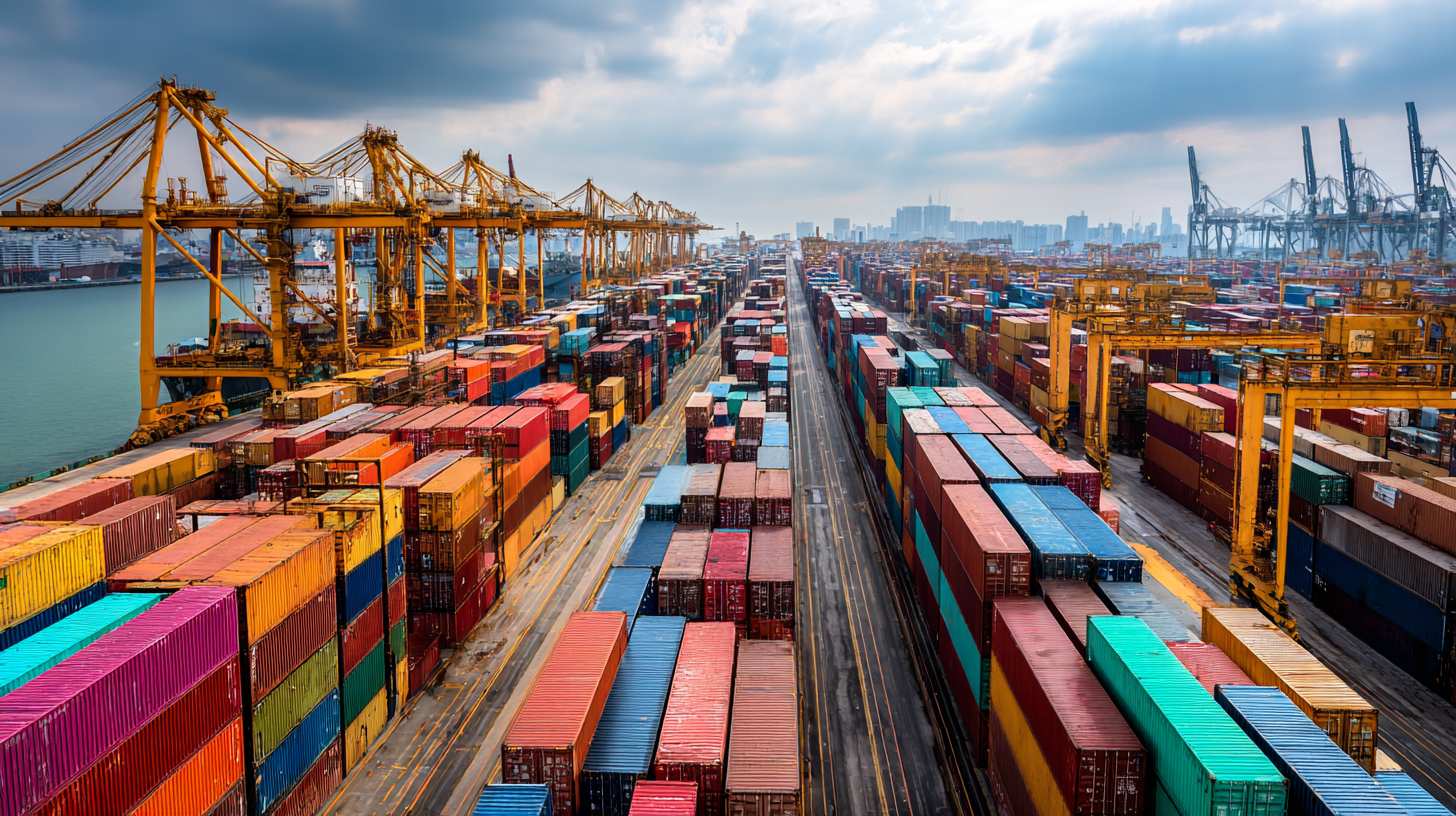
Sustainability Trends in Cargo Shipping: Balancing Economic Growth and Environmental Responsibility
In 2023, the interplay between economic growth and environmental responsibility in cargo shipping has become increasingly prominent. Sustainable practices within the industry focus on reducing carbon footprints while optimizing operational efficiency. Innovations such as biodegradable materials in packaging and energy-efficient engines are at the forefront of these trends, reflecting a growing awareness of environmental issues among shipping companies. As stakeholders demand more transparent sustainability efforts, businesses are being pressured to adopt eco-friendly logistics solutions.
Moreover, the integration of technology plays a crucial role in promoting sustainability within global trade. Digital platforms leverage data analytics to enhance route optimization and reduce fuel consumption, while blockchain technology improves supply chain transparency, enabling better tracking of goods and emissions. As the global economy continues to evolve, the cargo shipping sector must adapt by prioritizing sustainability, ensuring that economic growth does not come at the expense of environmental degradation. Companies that successfully navigate this balance will not only contribute to a healthier planet but also secure their position in a competitive marketplace increasingly driven by eco-conscious consumers.
Understanding the Economic Impact of Global Trade Through Cargo Containers in 2023
| Region |
Total Cargo Volume (TEU) |
Economic Growth Rate (%) |
Sustainability Initiatives |
CO2 Emissions per TEU (kg) |
| North America |
15,000,000 |
2.5 |
Green Port Policies, Electrification |
650 |
| Europe |
20,500,000 |
2.8 |
Sustainable Shipping Goals, Eco-labeling |
600 |
| Asia |
35,000,000 |
3.5 |
Carbon Neutral Targets, LNG Adoption |
700 |
| Africa |
5,000,000 |
1.5 |
Renewable Energy Projects, Waste Reduction |
800 |
| South America |
8,000,000 |
2.0 |
Sustainable Ports Initiative, Reforestation |
750 |