
en es

The Ultimate Guide to Maximizing Space with a 20 Foot Storage Container for All Your Needs

In today’s fast-paced world, the demand for efficient storage solutions has never been higher, with the global self-storage market projected to reach $63.5 billion by 2026. Among the diverse options available, the 20 foot storage container has emerged as a versatile choice for both residential and commercial needs. These containers not only offer ample space—averaging between 1,170 to 1,360 cubic feet—but also provide enhanced security and mobility, making them ideal for various applications such as home renovations, business inventory management, and temporary storage solutions during relocations. Studies indicate that nearly 30% of individuals and businesses experience space constraints, prompting the adoption of storage containers as a practical response. By understanding how to maximize the use of a 20 foot storage container, you can capitalize on this growing trend and effectively manage your space requirements while ensuring optimal organization and accessibility.
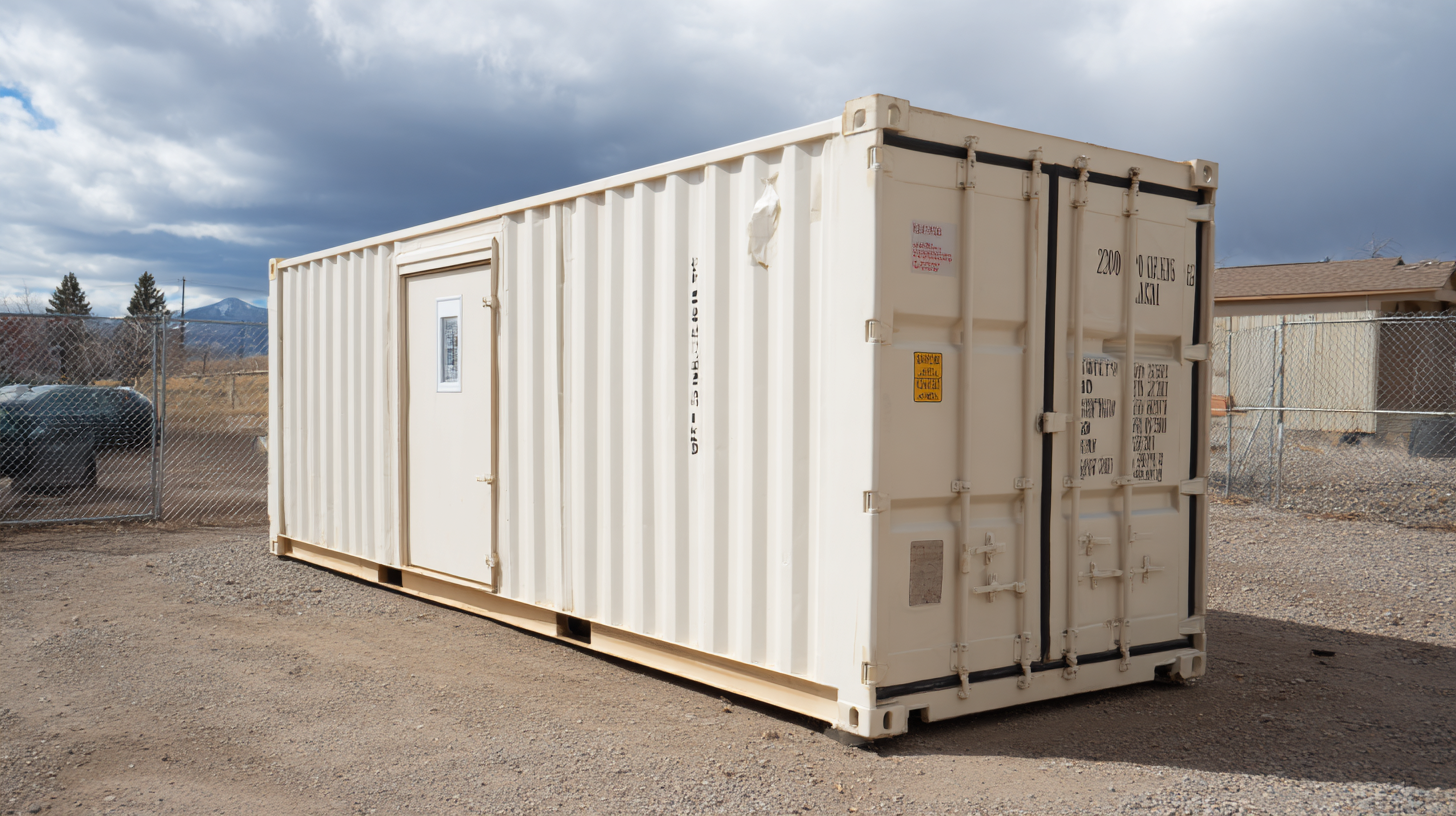
The Ultimate Guide to Maximizing Space with a 20 Foot Storage Container for All Your Needs

Maximize Your Storage Efficiency: Key Metrics for a 20-Foot Container

When considering the use of a 20-foot storage container, understanding its key metrics is essential for maximizing storage efficiency. A standard 20-foot container offers approximately 1,172 cubic feet of space, making it ideal for both personal and commercial use. With dimensions of 20 feet in length, 8 feet in width, and 8.5 feet in height, it provides ample room to store items ranging from furniture to construction materials, all while maintaining easy accessibility.

To optimize your storage strategy, categorizing items based on size and frequency of use can significantly enhance space management. For instance, placing larger items that you use less frequently towards the back can open up more accessible areas for smaller, everyday items. Additionally, utilizing vertical space is crucial. Shelving units can be installed to take advantage of the height, allowing you to stack items without cluttering the floor. By adhering to these key metrics and strategies, you can fully harness the potential of your 20-foot storage container to meet all your storage needs efficiently.
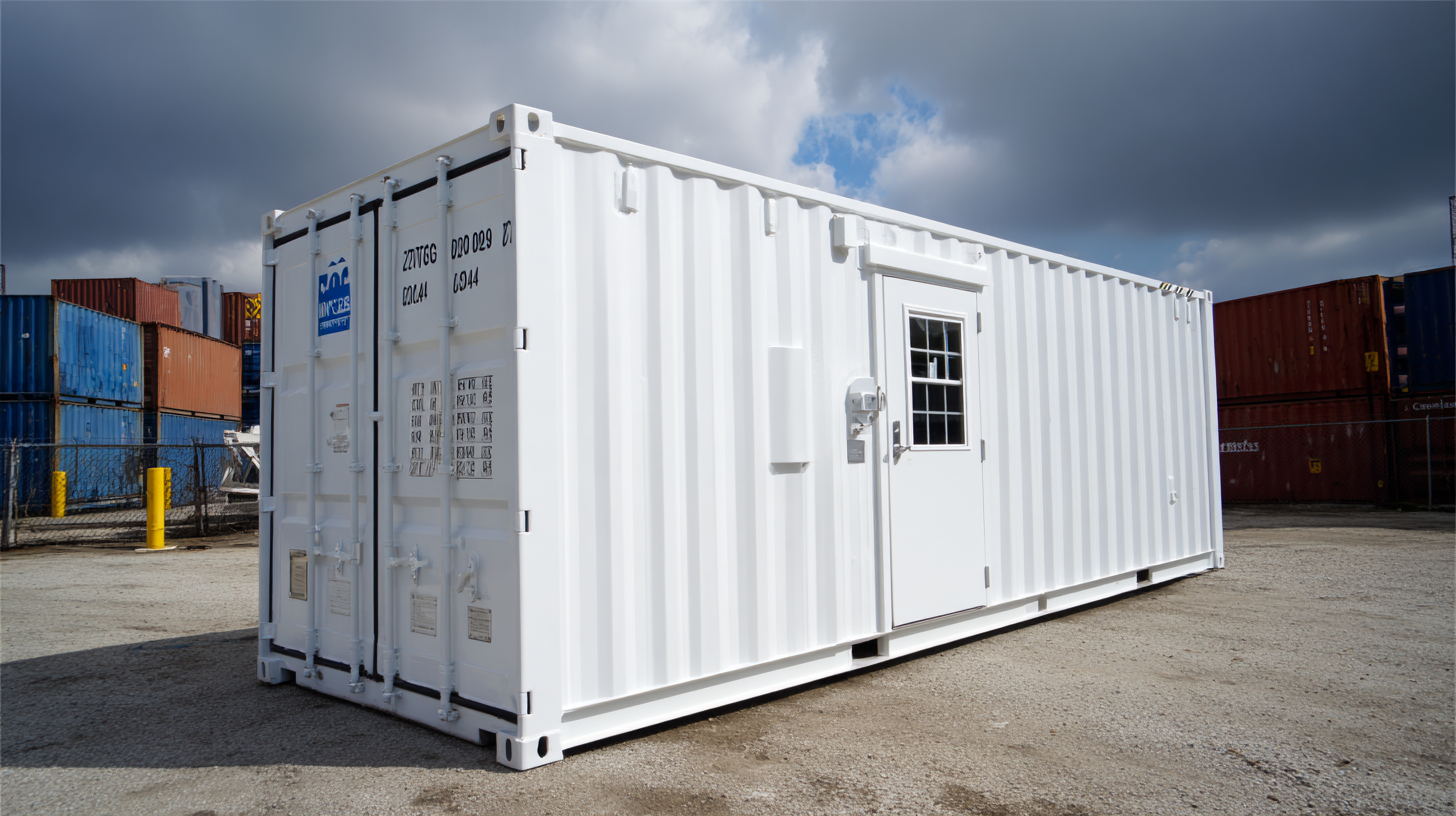
Optimal Organization Techniques for 20-Foot Storage Units: Data-Driven Approaches

The Ultimate Guide to Maximizing Space with a 20 Foot Storage Container for All Your Needs When it comes to maximizing space in a 20-foot storage container, optimal organization techniques play a crucial role. Data-driven approaches suggest starting by categorizing your items into distinct groups, such as seasonal goods, recreational equipment, and important documents. This categorization not only simplifies access but also allows you to visualize the space needed for each group. Utilizing vertical space is another effective method. Shelving units can be added to stack boxes and bins, ensuring that every inch of the container is utilized efficiently.
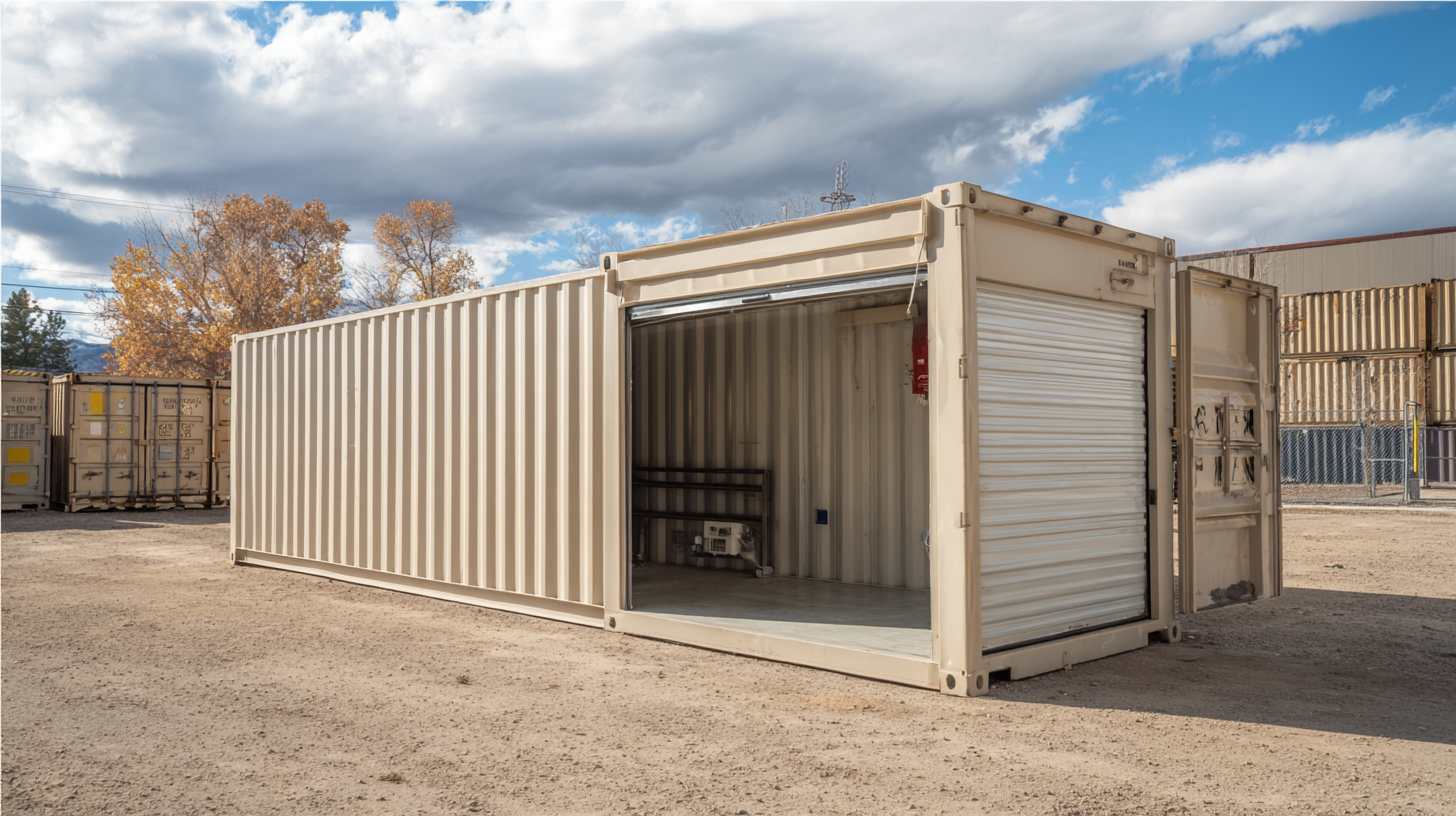
Additionally, maintaining an inventory list can significantly enhance organization within your storage unit. Keeping track of what is stored, and where, minimizes the time spent searching for specific items. Employing clear labeling on boxes and bins also aids in quick identification. Finally, consider employing a strategic layout: placing frequently accessed items near the entrance and less essential ones toward the back ensures convenience.

By leveraging these data-driven techniques, you can transform your 20-foot storage container into an organized and highly functional space, accommodating all your needs.

Comparative Cost Analysis: Renting vs. Purchasing Your 20-Foot Storage Container

When considering a 20-foot storage container, one of the most critical financial decisions is whether to rent or purchase. The average rental cost for a 20-foot container typically ranges from $150 to $400 per month, a price influenced by factors such as geographic location, the container's condition, and additional rental services offered. This can add up significantly over time, particularly for long-term storage needs.

In comparison, purchasing a 20-foot storage container can be a more economical choice if you anticipate needing it for an extended period. Prices for purchasing can start around $2,000 to $5,000, depending on the condition and modifications required. Industry analyses suggest that for users requiring storage for longer than 12 months, buying a container often results in cost savings versus renting. Additionally, ownership allows for greater flexibility, as you can modify the container to suit specific needs, further enhancing its value as a long-term asset.

The Ultimate Guide to Maximizing Space with a 20 Foot Storage Container for All Your Needs

Space Utilization Strategies: How to Fit 40% More within Your 20-Foot Unit

When it comes to maximizing space within a 20-foot storage container, efficient organization and strategic packing can help you fit 40% more than you initially thought possible. One effective strategy is to categorize your items before loading them in. Start by grouping similar items together, such as seasonal clothing, sports equipment, or tools, which not only makes unpacking easier but also optimizes space during the loading process. Utilizing stackable bins can help create vertical space, allowing you to store smaller items efficiently atop larger ones.

Moreover, consider harnessing the power of furniture disassembly and utilizing every nook and cranny within the container. Disassemble larger furniture pieces like tables and beds to create flat surfaces that can be stacked or stored against the walls. Don’t forget to fill empty spaces within furniture with smaller items, ensuring no area is wasted. By strategically arranging your belongings and thinking creatively about how to use your container, you'll maximize every inch of space, making your storage experience not only organized but also highly efficient.

The Ultimate Guide to Space Utilization: Storage Container Efficiency

Industry Insights: Trends in Storage Container Use and Market Growth Statistics

The storage container industry has been experiencing significant growth, driven by increasing demand for efficient space utilization in both residential and commercial sectors. Recent statistics indicate that the global container transshipment market is poised to rise from USD 15.39 billion in 2024 to USD 18.85 billion by 2030, highlighting the escalating need for versatile storage solutions. As businesses and individuals look for ways to maximize available space, 20-foot storage containers have emerged as an ideal choice, accommodating a wide range of storage requirements while fitting into various locations.

Moreover, the food storage container market is another sector witnessing robust expansion. Predicted to exceed USD 247.29 billion by 2034, this market's growth underscores the importance of effective storage solutions in managing food preservation and organization. The increasing emphasis on sustainability and convenience further fuels this trend, as consumers seek durable and reusable options. As we look towards the future, it is evident that the demand for storage containers, particularly in urban areas where space is at a premium, will continue to shape industry dynamics and propel market growth.

The Ultimate Guide to Maximizing Space with a 20 Foot Storage Container

Dimension Measurement (ft) Usage Type Market Share (%) Growth Rate (%)
Length 20 Residential 35 7
Width 8 Commercial 25 5
Height 8.5 Industrial 20 10
Volume 1,172 Seasonal Storage 15 6
Get a quote
Open chat
1
Hi! How can we help you?
Chat with Pelican Containers