Choosing a reliable supplier can shape every stage of port logistics, from yard storage to final delivery. This guide examines the Top 10 Port Shipping Containers Suppliers Worldwide, focusing on practical performance rather than impressive advertising. The selected companies are assessed through product quality, manufacturing experience, global availability, and customer support. Their portfolios may include standard dry containers, refrigerated units, open-top models, and specialized equipment. Each option should match the cargo, route, handling method, and storage environment.
Details matter. Look for weather-resistant steel, secure door locking systems, consistent dimensions, and clear inspection records. Certification and compliance documents also deserve careful review before purchase or leasing. Delivery capacity matters too, especially when a project requires hundreds of units near a busy port. A dependable supplier should explain lead times, transport arrangements, maintenance support, and replacement procedures without hiding important conditions.
No ranking is perfect. Market conditions change. A company with strong global coverage may not offer the best local service. Another supplier may provide attractive prices but limited after-sales support. That is why this overview treats reputation as evidence, not proof. Buyer feedback, factory audits, sample inspections, and transparent quotations can reveal differences that brochures often miss. The goal is practical guidance for importers, exporters, freight operators, construction firms, and logistics managers seeking durable port shipping containers. Readers should still verify current specifications, delivery terms, and regional requirements before making a final decision. Small oversights can create large delays.
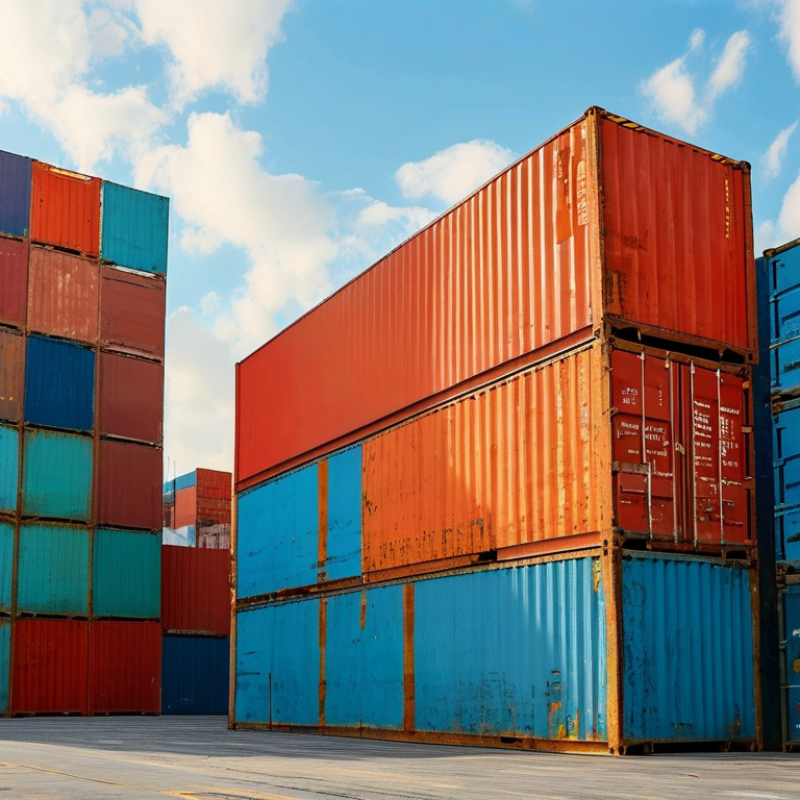
The global container market includes three main supplier groups: manufacturers, traders, and leasing firms. Each serves a different purchasing need.
The top ten suppliers should not be judged by size alone. Reliable evaluation requires checking container condition, cargo-worthiness certificates, inspection dates, repair history, and port availability. Ask about floor strength, door seals, corrosion, and spare-part support.
A low quoted price may hide inland transport costs or costly repairs. I have seen purchase decisions fail because buyers checked photographs, but not inspection reports. That mistake remains common.
Tips
Compare at least three written quotations. Confirm the container’s internal dimensions and maximum payload. Request recent inspection evidence and clear delivery terms. Check whether the supplier handles customs paperwork correctly. Leasing contracts deserve close reading, especially damage charges and return conditions. Regional service coverage matters too. A dependable supplier communicates delays early and records every condition clearly. Rankings can guide research, but route suitability should decide the final choice.
Top 10 Port Shipping Containers Suppliers Worldwide?
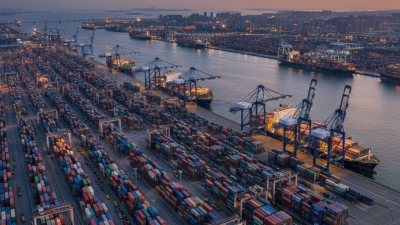
UNCTAD reported global container port throughput of 858.7 million TEU in 2023. That figure shows the scale behind container demand worldwide. One TEU equals one twenty-foot equivalent unit. It also reveals pressure on ports, depots, manufacturers, and inland transport networks. A credible top-10 supplier list should examine more than production volume. It should assess container quality, certification, delivery capacity, repair support, and regional availability.
The UNCTAD Review of Maritime Transport 2024 recorded uneven trade recovery and continuing schedule risks. Suppliers therefore need dependable steel sourcing and stronger inventory planning. Buyers should inspect corrosion protection, floor strength, door alignment, and CSC safety certification. Small defects become expensive when containers wait outside a busy terminal. They should also request factory inspection records and verified delivery dates.
Port efficiency matters, too. The World Bank and S&P Global Container Port Performance Index 2023 measured major differences in vessel turnaround times. Faster handling can reduce equipment dwell time, but it does not solve poor container maintenance. A supplier with nearby depots may offer more practical value than a distant low-price producer. The ranking is not perfectly stable. Prices, freight costs, and regional stock change quickly. Some published supplier lists also confuse manufacturers with leasing companies, which weakens comparison. Careful buyers should separate new containers, used units, refrigerated equipment, and specialized designs before selecting a supplier.
A credible ranking should measure more than factory size. Annual output deserves a 35% weighting, supported by audited production records and shipment history. Drewry’s Container Census and Leasing Annual Review tracks global container supply, fleet growth, and manufacturing trends. These figures help separate real output from promotional estimates. Capacity should include monthly production lines, steel availability, testing facilities, and surge capability during peak seasons.
ISO 668:2020 compliance is essential. Suppliers should provide valid certificates, corner-casting test results, dimensional records, and inspection reports for representative units. A container may look sound but still fail tolerance checks. UNCTAD’s Review of Maritime Transport 2024 recorded about 858 million TEUs of global container port throughput in 2023. That scale increases pressure on reliable equipment supply. Lead time should receive 20% of the score, measured from confirmed order to port-ready delivery. Median performance matters more than one unusually fast shipment.
Tips: Request twelve-month output data, not a single monthly record. Check whether “capacity” means installed capacity or available capacity. Ask for average and worst-case lead times. Review delays by port, season, and container type. The ranking remains imperfect because supplier data is rarely standardized. Independent factory audits and recent customer records can reduce that uncertainty. Five weeks sounds attractive. Verify it in writing.
The top 10 port shipping container suppliers serve different cargo needs, climates, and trade routes. Their portfolios usually include standard dry containers, high-cube units, refrigerated containers, open-top designs, and flat racks. Product depth matters more than a large catalog. A supplier should provide clear dimensions, payload limits, CSC certification, repair records, and inspection documents.
Production sites are commonly located near major steel-processing zones and deep-water ports in Asia, Europe, and the Middle East. Some suppliers operate large automated factories, while others use regional assembly and refurbishment centers. Factory location affects lead time, inland transport, and export handling costs. A container made near a port may still face delays during peak seasons. That detail is easy to overlook.
Market coverage separates the strongest suppliers from ordinary exporters. Leading companies support shipping lines, leasing firms, freight forwarders, construction projects, and warehouse operators across multiple continents. Their service networks offer depot repairs, repainting, spare parts, and delivery tracking. Buyers should compare production capacity, quality-control procedures, warranty terms, and after-sales response in each region. Photos are useful, but independent inspection is safer. I have seen specifications appear complete while corner fittings or floor materials were unclear. Supplier rankings also change with steel prices, port congestion, and factory reliability, so published lists deserve regular review.
| Rank | Supplier Profile | Primary Production Sites | Main Product Range | Common Container Sizes | Approximate Annual Production Capacity | Primary Customer Segments | Market Coverage | Typical Compliance and Quality Standards |
|---|---|---|---|---|---|---|---|---|
| 1 | Supplier Profile A Large-scale dry freight container producer |
Eastern and central coastal China | Dry freight High-cube Tunnel containers | 20 ft, 40 ft, 40 ft high cube, 45 ft high cube | More than 500,000 TEU-equivalent units per year | Ocean carriers, leasing companies, freight forwarders, logistics operators | Asia-Pacific, Europe, North America, Middle East, Africa, Latin America | ISO 668, ISO 1161, CSC safety requirements, marine coating specifications |
| 2 | Supplier Profile B Integrated intermodal equipment manufacturer |
Southern China and Yangtze River economic zone | Dry freight Refrigerated Special equipment | 20 ft, 40 ft, 40 ft high cube, 45 ft pallet-wide | Approximately 300,000–500,000 TEU-equivalent units per year | Global carriers, cold-chain logistics providers, rail operators, container leasing firms | Worldwide, with strong distribution through major Asian and European ports | ISO 1496, ISO 668, CSC, ATP requirements for applicable refrigerated units |
| 3 | Supplier Profile C Specialist in refrigerated and temperature-controlled units |
Coastal manufacturing clusters in eastern China | Reefers Controlled-atmosphere units Machinery modules | 20 ft reefer, 40 ft high-cube reefer, 45 ft reefer | Approximately 100,000–200,000 refrigerated units per year | Food exporters, pharmaceutical logistics providers, shipping lines, cold-storage networks | Asia-Pacific, Europe, North America, Oceania, selected Middle Eastern markets | ISO 1496-2, CSC, ATP where applicable, electrical and refrigeration safety requirements |
| 4 | Supplier Profile D Steel container and modular equipment producer |
Eastern China, with steel-processing and assembly facilities near export ports | Dry freight Open-top Flat-rack | 20 ft, 40 ft, 40 ft high cube, 20 ft flat-rack | Approximately 150,000–300,000 TEU-equivalent units per year | Heavy-industry shippers, project cargo operators, leasing companies, intermodal terminals | Global markets through container ports and specialized project-cargo channels | ISO 668, ISO 1161, CSC, cargo-securing and lifting-equipment requirements |
| 5 | Supplier Profile E International container equipment supplier |
China, Southeast Asia, and selected South Asian assembly locations | Dry freight High-cube Offshore containers | 20 ft, 40 ft, 40 ft high cube, offshore-rated units | Approximately 100,000–250,000 TEU-equivalent units per year | Shipping companies, offshore contractors, leasing pools, industrial exporters | Asia-Pacific, Europe, Middle East, Africa, North America | ISO 668, ISO 1161, CSC; offshore units may follow DNV or equivalent offshore standards |
| 6 | Supplier Profile F European-focused container and logistics equipment producer |
Central and eastern Europe, supported by regional steel-processing facilities | Dry freight Swap bodies Rail containers | 20 ft, 40 ft, 45 ft pallet-wide, rail-compatible units | Approximately 30,000–100,000 units per year | European logistics groups, rail freight operators, intermodal terminals, leasing companies | Europe, Türkiye, North Africa, Central Asia, selected Middle Eastern markets | ISO 668, CSC, European intermodal and rail-loading requirements |
| 7 | Supplier Profile G North American intermodal container manufacturer |
United States and Mexico, with supplier networks across North America | Dry freight Domestic containers Chassis equipment | 20 ft, 40 ft, 53 ft domestic containers, intermodal chassis | Approximately 20,000–80,000 units per year | Railroads, trucking fleets, domestic intermodal operators, distribution companies | United States, Canada, Mexico, and selected Caribbean and Latin American markets | CSC for international units, applicable AAR and North American transport requirements |
| 8 | Supplier Profile H Regional manufacturer serving South Asia and the Middle East |
India, Pakistan, Bangladesh, and nearby export-oriented industrial zones | Dry freight High-cube Modified containers | 20 ft, 40 ft, 40 ft high cube, customized units | Approximately 20,000–70,000 units per year | Regional shipping lines, exporters, container lessors, construction and infrastructure firms | South Asia, Middle East, East Africa, Southeast Asia | ISO 668, ISO 1161, CSC, customer-specific inspection and coating specifications |
| 9 | Supplier Profile I Refurbishment and specialized-container supplier |
United Kingdom, mainland Europe, and Mediterranean service locations | Refurbished dry units Storage containers Special-purpose units | 10 ft, 20 ft, 40 ft, 40 ft high cube | Approximately 10,000–50,000 new or refurbished units per year | Construction companies, event operators, storage firms, local logistics providers | Europe, Mediterranean, selected African and Middle Eastern markets | CSC for units used in international transport; local building, lifting, and electrical rules as applicable |
| 10 | Supplier Profile J Australasian and Asia-Pacific container equipment supplier |
Australia, New Zealand, and contract manufacturing locations in Asia | Dry freight Refrigerated Offshore and mining units | 20 ft, 40 ft, 40 ft high cube, mining and offshore configurations | Approximately 10,000–40,000 units per year | Mining companies, agricultural exporters, shipping lines, cold-chain operators, project logistics firms | Australia, New Zealand, Southeast Asia, Pacific Islands, selected Middle Eastern markets | ISO 668, ISO 1161, CSC, Australian and New Zealand workplace and transport requirements |
Comparing ten global suppliers requires more than checking the lowest quotation. For a standard 20-foot dry container, recent market quotes often range from about US$2,000 to US$3,500 before inland delivery, inspection, and port charges. Prices change with steel costs, production location, and container availability. Ask for a landed-cost sheet. A cheap unit can become expensive after repainting, repairs, or delayed release.
Certifications show whether a supplier can meet operational requirements. Verify CSC safety approval, ISO 668 dimensions, and ISO 1496-1 structural testing. Request production records, weld inspection results, and floor-load specifications. UNCTAD’s Review of Maritime Transport 2024 confirms that maritime shipping carries over 80% of world trade by volume, making consistent container quality commercially important. However, certificates alone are not enough. I have seen paperwork look complete while door alignment still required correction.
ESG comparisons should include measurable evidence. The IMO 2023 greenhouse-gas strategy targets net-zero emissions from international shipping by around 2050, with indicative checkpoints for 2030 and 2040. Suppliers should disclose recycled steel content, factory energy use, paint emissions, and waste handling. After-sales support deserves equal attention: define response times, spare-part availability, warranty exclusions, and local repair partners. A practical test is simple. Send the same defect scenario to every supplier and compare reply speed, technical detail, and accountability. Supplier rankings can change quickly when service data is missing.
If for some reason you did not find the service or product you need, you can always leave a request for a free consultation and get an answer.