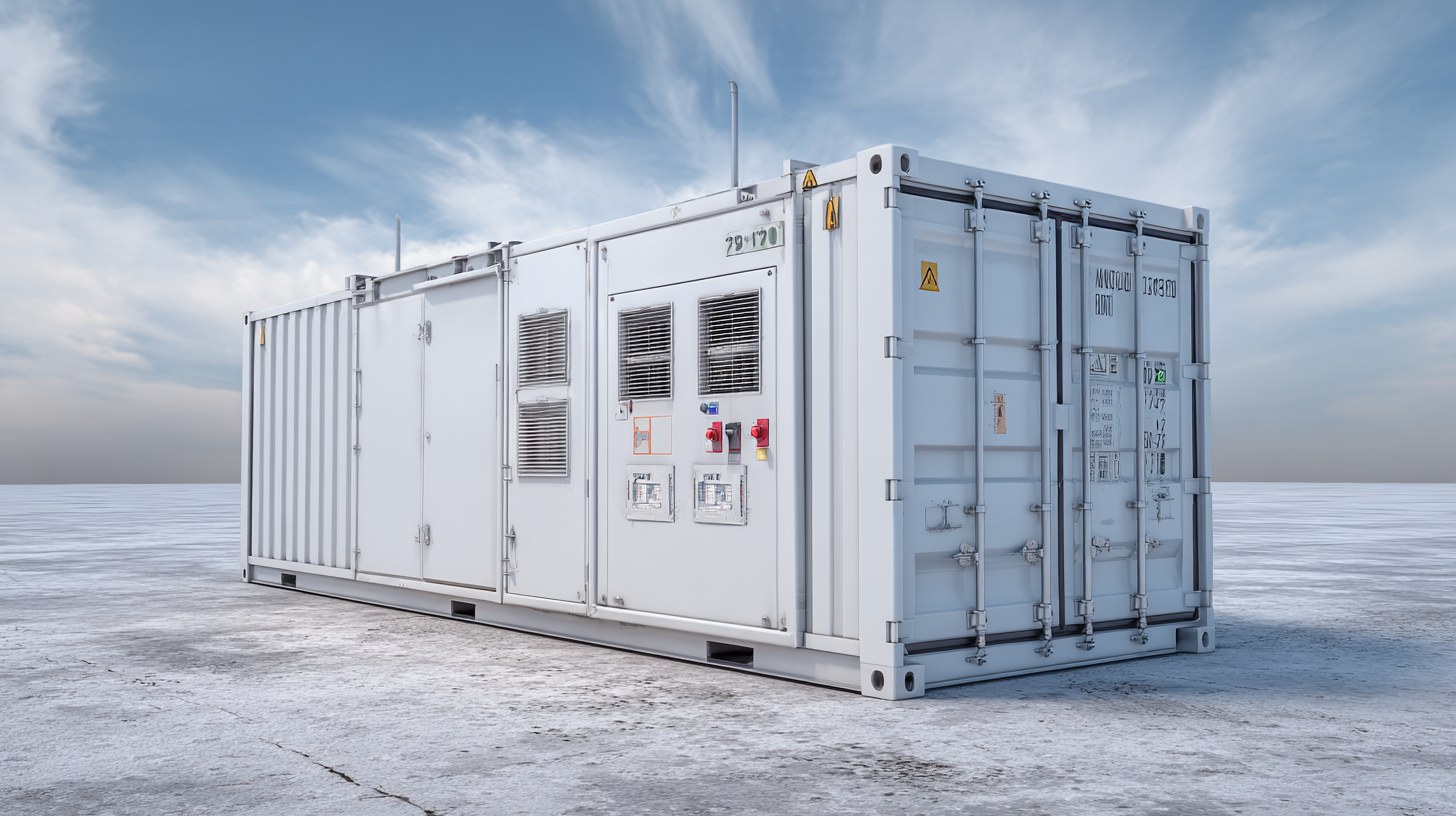
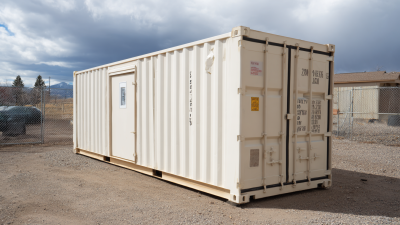
In the ever-evolving world of logistics, the importance of temperature control cannot be overstated, especially when it comes to the transportation of temperature-sensitive cargo. Companies are increasingly seeking reliable solutions to ensure that their delicate products remain in optimal condition throughout the shipping process. One of the most effective methods to achieve this is by utilizing insulated shipping containers. These specialized containers are designed to maintain a stable internal temperature, protecting cargo from extreme external conditions.
As we step into 2023, the demand for insulated shipping containers has surged, leading to an array of options that cater to different needs and budgets. This article will delve into the top five insulated shipping container options available this year, highlighting their unique features and benefits. Whether you're transporting pharmaceuticals, fresh produce, or high-value electronics, understanding the capabilities of these containers can make a significant difference in maintaining the integrity of your cargo. Join us as we explore these innovative solutions and provide actionable tips for choosing the right insulated shipping container for your specific requirements.
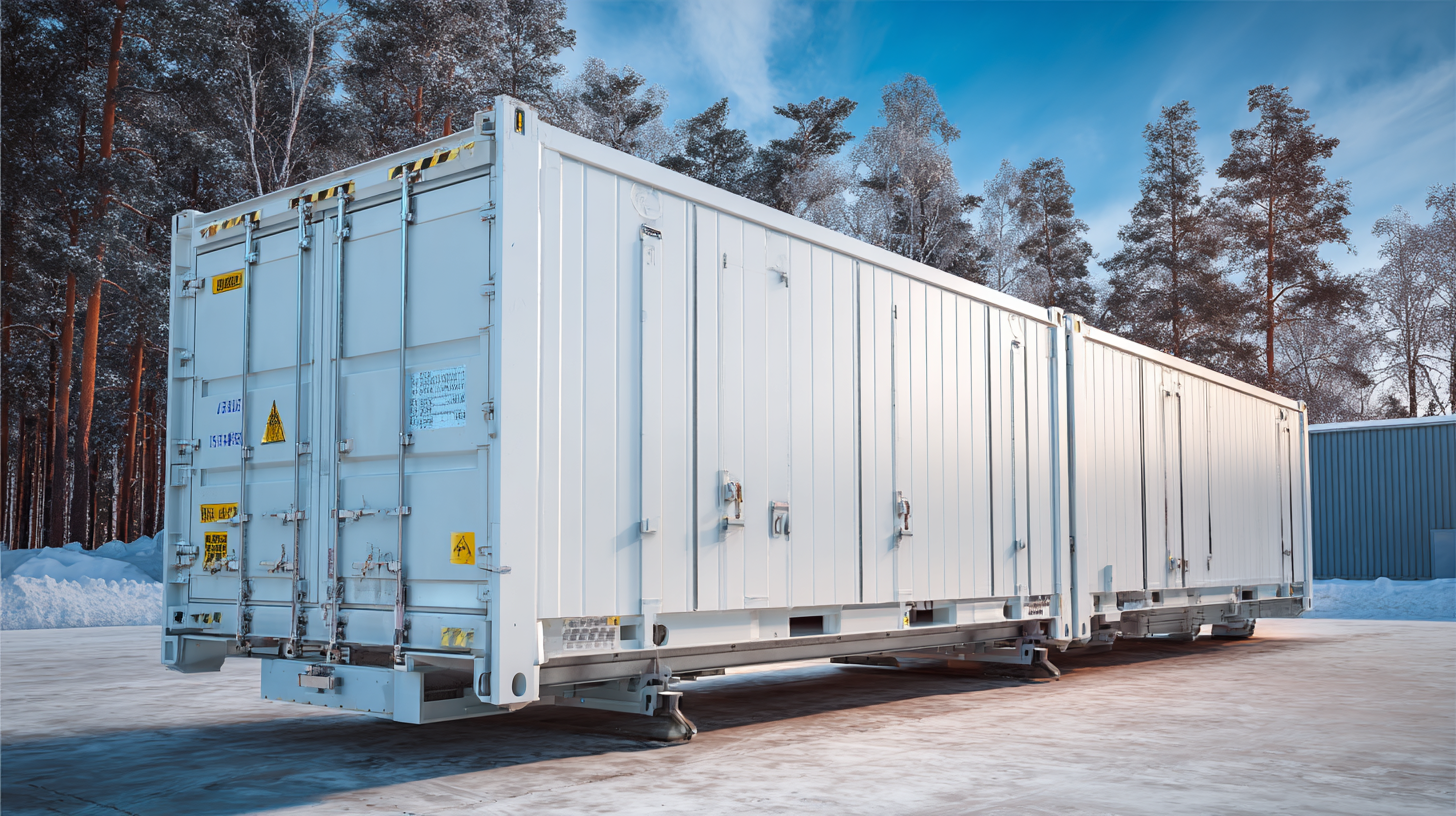
Insulated shipping containers play a crucial role in the transportation of temperature-sensitive cargo, ensuring that products remain within their required temperature ranges throughout the shipping process. The importance of maintaining a consistent temperature cannot be overstated, as fluctuations can result in spoilage, reduced product quality, and significant financial loss. With the rise of global trade and e-commerce, the need for effective temperature control solutions has only increased, making insulated containers a vital component of supply chain management.
In 2023, various insulated shipping container options are available, tailored to different types of cargo, including pharmaceuticals, perishable foods, and sensitive electronics. These containers are designed with advanced thermal insulation materials that minimize heat transfer, thus preserving the internal environment regardless of external conditions. Understanding the features and benefits of these containers is key for businesses looking to protect their valuable products during transit and maintain compliance with industry regulations. As temperature-sensitive shipping continues to evolve, selecting the right insulated container can make all the difference in safeguarding cargo integrity.
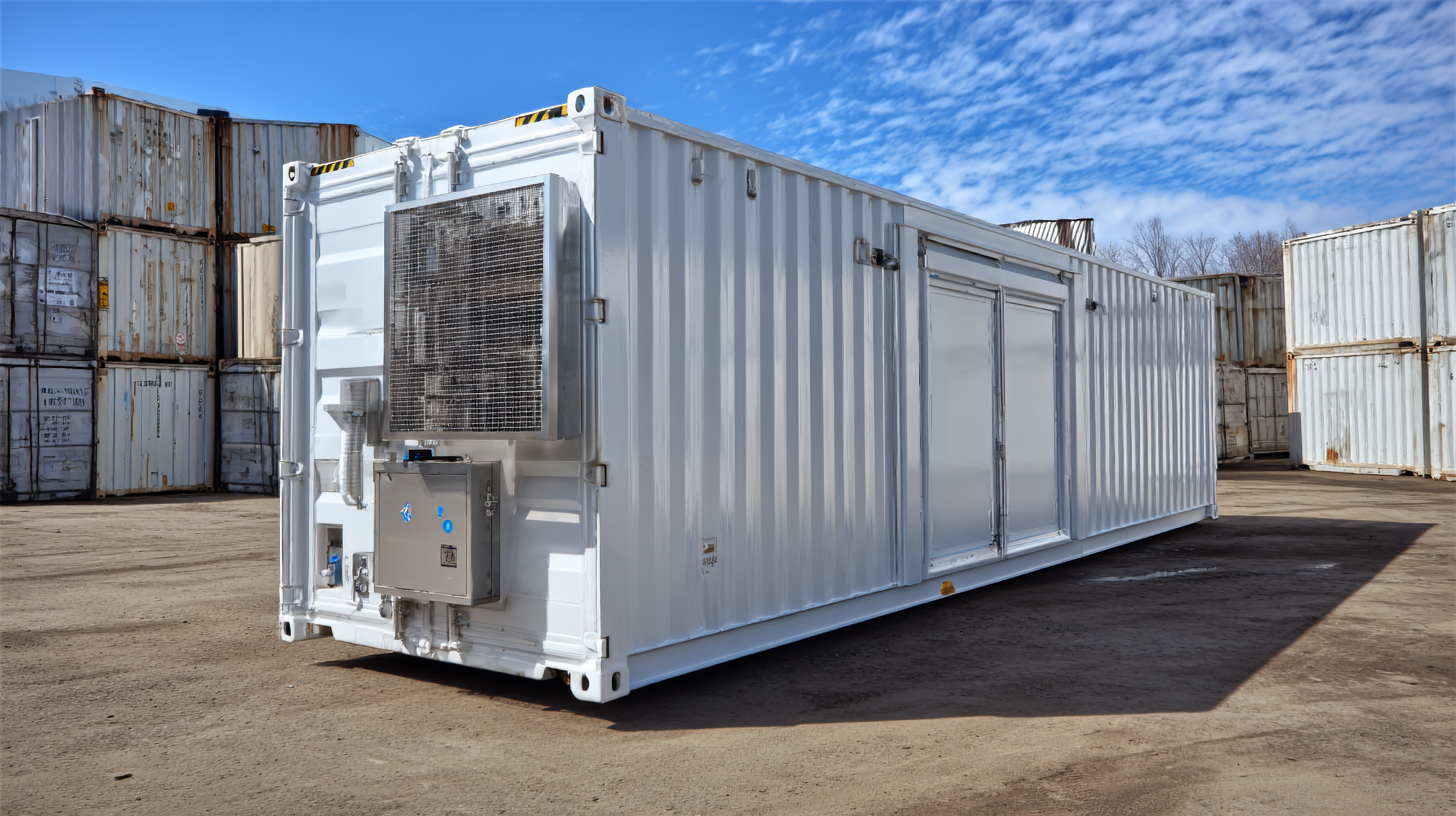
In 2023, the demand for insulated shipping containers is increasingly driven by the need to transport temperature-sensitive cargo. These containers come in various types, each designed to cater to specific cargo requirements. For instance, refrigerated containers, often known as reefers, are essential for transporting perishable goods like fruits, vegetables, and pharmaceuticals, which require strict temperature control. According to industry projections, the thermal insulation packaging market alone is set to grow significantly, from USD 99.7 billion in 2025 to USD 338.4 billion by 2035, at a CAGR of 13%. This growth underscores the importance of effective insulation in shipping solutions.
Another popular option is the insulated bulk container, which is optimal for transporting liquids, such as chemicals and beverages, that may be impacted by temperature fluctuations. These bulk containers often incorporate advanced materials that enhance insulation and maintain a stable internal environment. As international trade expands, with the global commercial shipbuilding market expected to rise from USD 5.82 billion in 2024 to USD 9.99 billion by 2033, companies are increasingly looking to invest in insulated shipping solutions that guarantee the integrity of their sensitive cargo throughout its journey.
| Container Type | Temperature Range | Insulation Material | Capacity (Cubic Feet) | Ideal For |
|---|---|---|---|---|
| Reefer Container | -20°C to +20°C | Polyurethane Foam | 20-40 | Perishable Food, Pharmaceuticals |
| Insulated Dry Container | +0°C to +30°C | Polystyrene | 20-40 | Non-Perishable Foods, Electronics |
| Thermal Blanketed Container | -18°C to +25°C | Reflective Insulation | 20-30 | Specialty Pharmaceutical, Flowers |
| Controlled Atmosphere Container | Customizable | Advanced Composite Materials | 20-40 | High-Value Fresh Produce, Wine |
| Thermal Tank Container | -40°C to +20°C | Steel and Insulation Foam | 20-30 | Chemicals, Temperature Sensitive Liquids |
When selecting insulated shipping containers for temperature-sensitive cargo in 2023, it is crucial to focus on several key features that ensure reliability and efficiency. One of the most significant features is temperature control technology, which is vital for maintaining optimal conditions for various products, including pharmaceuticals and perishable goods. Advanced refrigerated units have become increasingly popular, as they provide portable cold storage solutions known for their durability and efficiency. Reports indicate that the global refrigerated transport market is projected to grow at a CAGR of 7.4% from 2023 to 2030, emphasizing the increasing demand for effective temperature management in shipping.
Another essential aspect to consider is insulation material quality. High-performance insulation materials, such as polyurethane foam or polystyrene, can significantly reduce thermal transfer, keeping the temperature stable during transit. With disruptions in supply chains becoming more common, investing in robust insulated containers is critical. According to a recent industry analysis, insulated shipping containers can help reduce spoilage rates by up to 30%, making them an economically sound choice for businesses dealing with sensitive cargo. Ensuring the selected container has moisture control and ventilation features further enhances its effectiveness in protecting valuable shipments during transportation.
The demand for insulated shipping containers is surging as businesses increasingly prioritize temperature-sensitive cargo. According to the latest market research, the insulated container market is projected to grow at a compound annual growth rate (CAGR) of 7.5% by 2025. This growth is largely driven by the rising need for safe transport of perishable goods, pharmaceuticals, and sensitive electronic equipment. Among the top five insulated shipping container options in 2023, providers have focused on enhancing thermal performance and durability to meet the evolving needs of industries.
A comparative analysis of the top five insulated containers reveals varying features that cater to different requirements. For instance, some options excel in maintaining consistent temperatures over extended periods, while others are designed for easy handling and transport efficiency. Industry reports indicate that containers with advanced insulation materials can reduce thermal transfer significantly, making them increasingly attractive for logistics companies focused on minimizing spoilage and ensuring compliance with health regulations.
As businesses look for effective solutions to safeguard their temperature-sensitive products, understanding these options becomes crucial in choosing the right container for their shipping needs.
In the fast-paced world of modern logistics, the cost-effectiveness and efficiency of insulated shipping solutions play a critical role in maintaining the integrity of temperature-sensitive cargo. With the rise in e-commerce and global trade, businesses are increasingly seeking reliable methods to transport perishable goods without incurring heavy losses. Insulated shipping containers have emerged as a preferred option, as they provide a robust barrier against temperature fluctuations while ensuring minimal energy consumption. This translates not only into lower shipping costs but also enhances the overall efficiency of the supply chain.
Moreover, the technological advancements in insulated shipping container designs have further improved their performance. Features such as reinforced insulation materials and advanced thermal management systems allow for longer transit times without compromising cargo quality. As a result, companies can allocate resources more effectively, reduce spoilage, and ultimately increase profitability. The adoption of these innovative shipping solutions demonstrates a commitment to sustainability and efficiency, as businesses strive to meet the growing demand for reliable and environmentally friendly logistics options.
If for some reason you did not find the service or product you need, you can always leave a request for a free consultation and get an answer.